
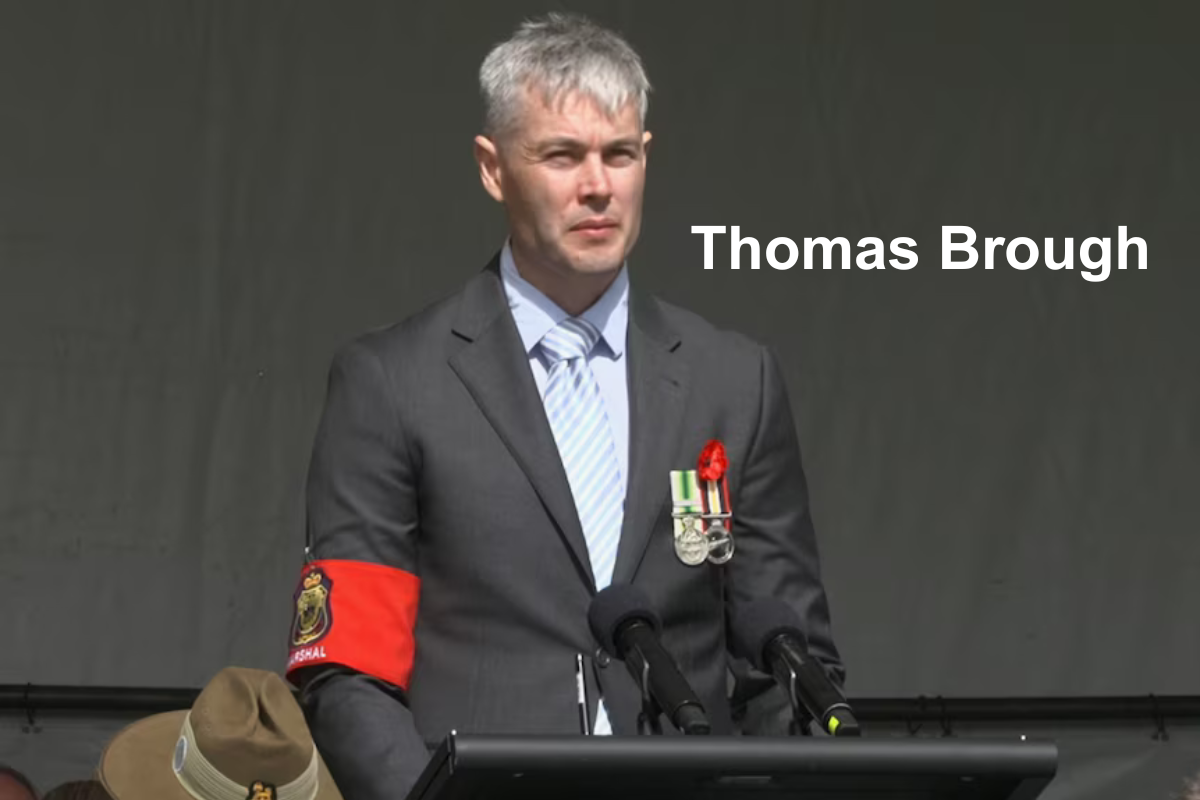
Dr Thomas Brough has emerged as a prominent figure in Western Australian regional politics due to his medical role, his position on local council, his campaign for state parliament and ongoing scrutiny from medical regulators. He has engaged directly with contentious issues including live sheep exports, LGBTQIA+ commentary, abortion law and mental health concerns in rural communities. As debate continues ahead of the 2025 Western Australian election, Brough’s public statements and formal submissions reveal how medical, political and agricultural interests intersect in the Great Southern region.
Medical Role and Local Government Position
Thomas Brough works in emergency medicine at Albany Health Campus. Media reports consistently describe him as an emergency room doctor and practising medical professional in regional Western Australia. In 2021 he was elected to the City of Albany Council, providing him with formal responsibility over local matters including community health, public events, policy decisions, regional development and environmental issues. Public information released by the City of Albany also lists his involvement in the Kalgan Bushfire Brigade and notes that he participates in community land projects, including farming and environmental management.
His public communications emphasise a focus on sustainability, local resilience and advocacy for regional issues. Through council, he has been involved in motions that concern agriculture, community mental health and representation of resident interests at state and federal levels. As part of his council role, he has supported written correspondence from the City of Albany to national decision-makers on matters of agricultural policy.
Political Endorsement and Party Candidacy
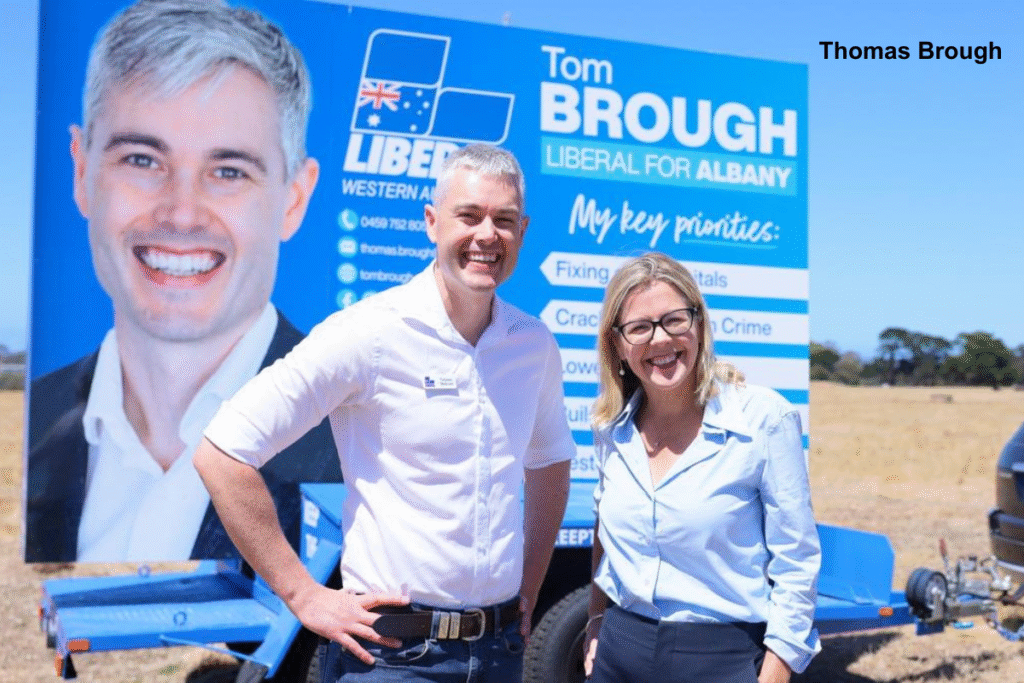
In May 2024 the Western Australian Liberal Party selected Brough as its endorsed candidate for the seat of Albany ahead of the 2025 election. His selection attracted attention because he was chosen during a period of national discussion about candidate vetting and ideological positioning within regional electorates. Media coverage noted that his policy interest in agriculture aligned with major issues affecting voters in the Great Southern, where farming, livestock transport, drought risk and cost-of-living pressures shape political priorities.
As a candidate, Brough has described himself as someone willing to raise issues he believes directly affect regional people. He has spoken publicly on live exports, mental health among farm workers, animal welfare regulation, abortion law and culture-based political topics. His approach has been regarded by supporters as direct and outspoken, while critics see elements of division in his language and framing.
Written Position on Live Sheep Export Legislation
The Export Control Amendment (Ending Live Sheep Exports by Sea) Bill 2024 generated significant attention across Western Australia. In response, Brough submitted detailed written comments to the House of Representatives Standing Committee on Agriculture. He argued that phasing out live sheep exports would have severe consequences for rural communities throughout WA, with particular impact on the Great Southern, where farms, trucking operations and processing facilities depend heavily on export income.
Brough framed the export issue in economic, social and cultural terms. He argued that live sheep exports have long supported farming families, rural jobs and international trade relationships. He claimed that livestock transport has improved its regulation and animal welfare standards over time and that Australian rules placed on export operators represent some of the strictest in the world.
In his submission, Brough wrote that banning Australian operators would not prevent export activity but simply shift it to less regulated systems overseas. According to his argument, this change would worsen animal outcomes rather than improve them. He also linked the export ban to regional identity. He wrote that many individuals who work in the industry see their connection to animals and land as part of their sense of meaning and belonging, rather than only a source of income.
Agricultural Concerns and Community Impact
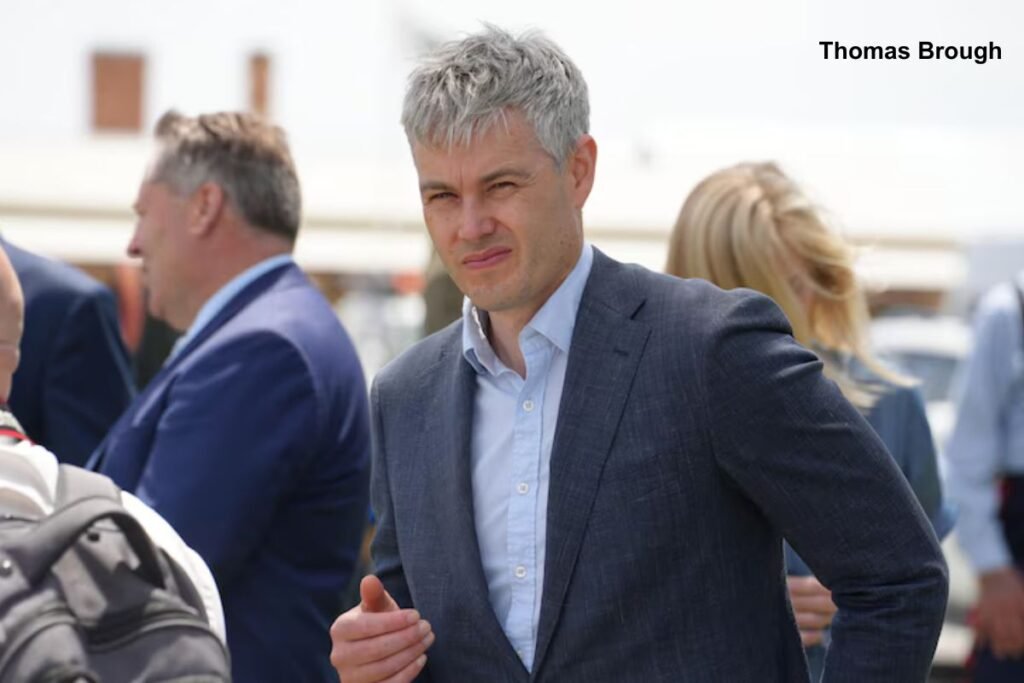
Throughout his submission Brough highlighted the financial and social consequences of the ban. He wrote that terminating live exports would weaken rural economies and risk widespread business closure. He said that the flow-on effects of job loss could undermine community stability, reduce morale and damage social cohesion in small towns. According to him, community identity in many parts of Western Australia is tied directly to agricultural industries, making connections between people, work, landscape and culture.
His argument included discussion of emotional impacts on regional workers. He asserted that multi-generational farming families would face anxiety, uncertainty and despair if the ban proceeded, particularly during a time when cost-of-living pressures were already intensifying in regional WA. He said that policies which appear to ignore regional voices create feelings of abandonment and contribute to stress in communities dependent on livestock transport.
Emergency Medicine Perspective and Mental Health Statements
A notable part of Brough’s public activity has been his use of emergency medicine experience to comment on agricultural policy. In his submission he claimed that he had treated community members who expressed despair and hopelessness after hearing that live exports would begin phasing out. He stated that over time, hospital consultations had included comments regarding suicidal thoughts among individuals connected to livestock and transport sectors.
Brough argued that using animal welfare logic to justify a ban, without examining human welfare impacts, is a contradiction. He stated that mortality rates for sheep on regulated export ships were lower than mortality rates on farms. He called the welfare justification “disingenuous” and said that invoking welfare while Australians in impacted communities contemplated suicide was “obscene”. His framing placed medical experience directly within a political policy argument regarding livestock regulation, economic displacement and psychological consequences of national legislation.
Remarks on LGBTQIA+ and the Tribunal Referral
In February 2024 Brough made comments at a City of Albany council meeting concerning LGBTQIA+ groups. During a discussion of Pride Week events he stated that the “+” in LGBTQIA+ could include “minor-attracted persons”. The statement drew criticism from LGBTQIA+ organisations, political observers, local residents and health professionals. ABC News and other media outlets reported widespread calls for accountability and described his comments as linking the queer community to paedophilia, which is factually inaccurate and harmful.
After several complaints were submitted to the Australian Health Practitioner Regulation Agency, the Medical Board of Australia investigated the matter. On 5 December 2024, letters from the Medical Board confirmed that the case had been referred to the State Administrative Tribunal. The letters stated the Medical Board “reasonably believes the practitioner has behaved in a way that constitutes professional misconduct”.
Tribunal proceedings can impose several outcomes, including fines, conditions on registration, warnings, suspension of medical licence or complete cancellation of registration. AHPRA noted that tribunal referrals only occur after sustained scrutiny of complaints and are reserved for serious allegations. Media reports described workplace training imposed by the City of Albany and additional requirements through human rights learning programs following the incident.
Brough’s Response to Media Reporting and Leaks
Brough claimed that details of the tribunal referral were leaked by political opponents. Statements released through the Liberal Party said that what he described as “calculated leaks” would not distract him from continuing his campaign or speaking publicly about local concerns. He criticised activists for distributing what he believed should have remained confidential regulatory correspondence. One complainant interviewed by ABC denied leaking the letters and stated they only became public after journalists viewed official documents confirming the referral.
Reaction From Public Officials and Party Leaders
The tribunal referral prompted state-level commentary. Western Australian Premier Roger Cook responded by saying that allegations were serious and required accountability from the Liberal Party. He argued that candidate vetting should reflect community expectations regarding behaviour and public commentary from those seeking office. Liberal Party leader Libby Mettam stated she was unaware of the investigation when Brough was endorsed and refrained from further comment when approached after news reports were published. The matter raised questions for political observers regarding how candidates are screened, how deeply party organisations examine individuals’ past conduct and what constitutes appropriate standards for public figures in local government and medicine.
Position on Abortion Law and Social Policy Topics
In 2025 Brough called for review of Western Australian abortion legislation. His statement that “babies born alive should not be left to die” received immediate attention. At the time, his remarks were not part of the Liberal Party’s policy platform. Party leadership clarified their official position following his comments. This created another example of the pattern seen in his public work: speaking strongly on issues of moral concern even where such statements extend beyond formal party agendas. His interventions in social policy contexts continue to contribute to discussion about how much autonomy candidates should have in public messaging and how internal party discipline functions during election campaigns.
Media Coverage Across Regional and State News Outlets
Brough’s comments, submissions and tribunal referral have been widely covered across Western Australian media networks. ABC Great Southern has published multiple reports detailing his statements on agricultural policy, live export regulation and LGBTQIA+ issues, as well as coverage of the investigation by the Medical Board. Regional publications such as the Star Observer and Out in Perth have examined reactions from LGBTQIA+ advocates, community organisations and political leaders. The frequency of reporting shows that Brough has become a regular news subject in stories about political culture in WA, rural industry pressure and professional accountability. These outlets have highlighted public responses to his commentary, ranging from support among agricultural advocates to criticism from inclusion groups and urban commentators. Media coverage has helped shape the broader narrative around Brough as a figure whose words reach beyond local council chambers and into statewide discussion.
Campaign Messaging and Public Statements in Albany
On the campaign trail, Brough has focused heavily on local economic priorities. His messaging in Albany has repeatedly returned to issues he considers central to regional voters, including livestock transport, fuel prices, cost of living, labour shortages in agricultural supply chains and the long-term viability of farming communities across the Great Southern. He has positioned himself as someone willing to speak directly to Canberra on matters affecting regional industries. Campaign communication has also highlighted his volunteer emergency service involvement, with an emphasis on hands-on regional work rather than metropolitan political experience. Statements issued through the Liberal Party have stressed that he will continue to “stand up for common sense” and defend rural communities against policies he views as disconnected from local realities. In this way, his campaign arguments often blend medical observations, economic views and cultural convictions about regional identity.
Government and Opposition Responses to Brough’s Advocacy
Brough’s political work has prompted commentary from both government and opposition benches in WA. When the tribunal referral became public, Premier Roger Cook called the allegations “serious” and stated that the Liberal Party should account for its candidate selection. He pointed to what he described as a broader problem of candidates representing positions that “do not reflect who we are as a community.” In contrast, some opposition figures have argued that Brough raises topics that regional voters are concerned about and that scrutiny of live export decisions is necessary to protect livelihoods. Government members have defended the export ban proposal by citing animal welfare concerns and claims that international markets are shifting towards ethical supply chains. The disagreement between government and opposition responses shows how Brough’s public commentary has contributed to ongoing tension between metropolitan policy priorities and regional economic considerations. His continued involvement ensures that these debates remain active within council chambers, newsrooms and state parliamentary conversation.
Ongoing Questions and Data Limitations
Despite extensive reporting on Brough’s policy positions, political statements and tribunal referral, background information remains limited. There are no public biographies, educational histories, training documents or credential lists readily available through independent sources. His career path in medicine beyond his role at Albany Health Campus has not been published in major medical directories or referenced in regulatory summaries. Without additional documentary evidence it is not possible to assemble a detailed timeline of his medical study, internships, registrar training, fellowship assessments or research contributions.
Conclusion
Thomas Brough remains a notable figure in Western Australian public discussion. His advocacy for live sheep exports highlights regional concerns relating to agriculture, identity, welfare and economy. His emergency medicine perspective has shaped how he frames mental health risks in rural policy debates. His remarks on LGBTQIA+ issues and subsequent tribunal referral demonstrate how public commentary from elected officials and practising doctors can prompt professional consequences. His statements on abortion law reveal his engagement in cultural discussions beyond agriculture and mental health. His role on Albany council and his candidacy with the WA Liberal Party ensure that his activities continue to influence political reporting and community dialogue in the Great Southern region.
The combination of medical practice, political advocacy and regulatory review places Brough at a unique intersection in state politics. Further developments in tribunal proceedings and election outcomes will determine how his public responsibilities and medical practice evolve. For now, he remains an active participant in regional conversations about who represents Western Australian communities, how agricultural policies affect families and what boundaries exist for professional conduct in public office.
FAQs
What is Thomas Brough known for?
Thomas Brough is known as a Western Australian emergency medicine doctor, City of Albany councillor and Liberal Party candidate who has spoken publicly on live sheep exports and social policy.
Why was Thomas Brough referred to a medical tribunal?
He was referred to the State Administrative Tribunal after complaints were made about comments he linked to the LGBTQIA+ community during a council meeting.
What is Thomas Brough’s position on the live sheep export ban?
Brough strongly opposes the Federal Government’s plan to end live sheep exports by sea, arguing it would damage rural communities, agricultural livelihoods and mental health.
Where does Thomas Brough work as a doctor?
Public reporting states that he works in emergency medicine at Albany Health Campus in regional Western Australia.
Which political party has endorsed Thomas Brough?
The Western Australian Liberal Party endorsed him as their candidate for the seat of Albany ahead of the 2025 WA election.
Has Thomas Brough issued public statements on social issues?
Yes. Aside from agricultural policy, he has made statements regarding LGBTQIA+ issues and a call to review abortion laws in Western Australia.
What actions did the City of Albany take following his comments?
The City of Albany directed him to complete workplace training through the Australian Human Rights Commission on respectful and inclusive communication.
What could happen at the State Administrative Tribunal?
Possible outcomes include caution, fines, conditions on medical practice, suspension or cancellation of medical registration, depending on tribunal findings.