
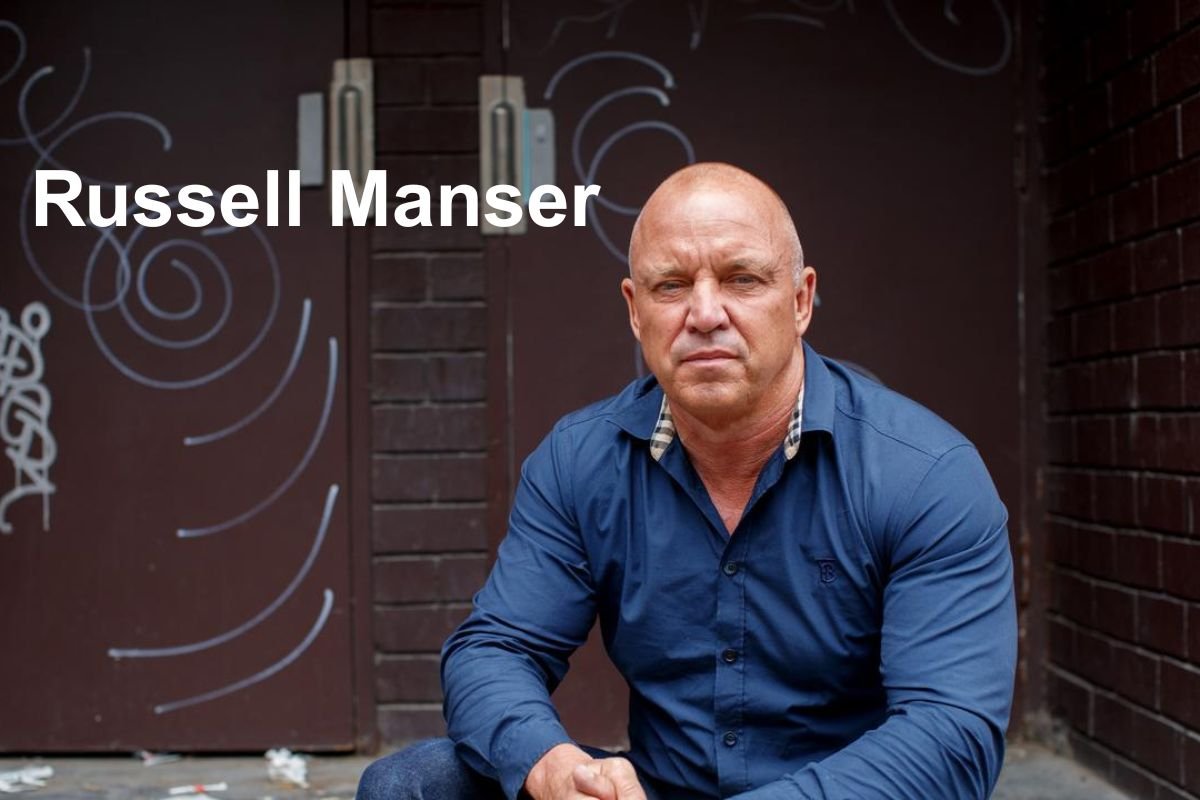
Russell Manser lived a life marked by contradictions and extremes. He was a traumatised teenager turned bank robber, a heroin addict who spent more than two decades behind bars, a rural property owner, a partner, a father, and a man who would later become a voice for survivors of institutional abuse. His death in March 2024 at the age of fifty-six in a Sydney waterfront apartment shocked those who followed his journey of recovery and advocacy. Public interest in his story has only increased since his death, especially as police investigations have continued into alleged fraudulent compensation claims involving individuals in the broader survivor advocacy space. Understanding Manser means acknowledging all parts of his story: childhood trauma, criminal activity, attempts at redemption, meaningful relationships, professional advocacy work, and the legal questions raised toward the end of his life.
Early Life, Family and First Contact With The System
Manser grew up in western Sydney. His parents tried to provide stability and maintain their family’s reputation, but his childhood environment exposed him to criminal influences at an early age. At around fourteen, he began participating in minor offences including car theft. A police chase after a stolen vehicle crash led to his first detention, initiating a cycle that would define his teenage years and adulthood.
Detention did not bring supervision or rehabilitation. Instead, it exposed him to physical and sexual abuse. He was placed in juvenile institutions where he later described being raped and assaulted by older detainees and, in some cases, by people in positions of authority. At one stage, still under eighteen, he was transferred to an adult prison. He recounted entering a cell in a protection wing only to find himself in danger. He said the first night resulted in sexual assault and soon after someone attempted to inject him with heroin, which he tried for the first time inside prison rather than outside it.
These early experiences caused trauma that he would never fully escape. Because of shame, confusion and family difficulties at the time, he remained silent for decades. He later said that if he had been able to speak about the abuse at the time it happened, his life might have taken a different direction.
Crime, Addiction and Life Behind Bars
Heroin addiction and criminal behaviour became intertwined. Through the late 1980s and 1990s, he committed armed robberies at banks in Sydney and surrounding areas. These robberies were motivated primarily by the need to fund addiction rather than planned criminal enterprise. At one point, he admitted to stealing large sums of money from individual bank robberies.
He was repeatedly caught, sentenced and incarcerated, serving a total of twenty-three years in prisons across New South Wales, Queensland and the Northern Territory. He tried different programmes inside, ranging from drug rehabilitation attempts to educational courses, but the trauma remained unresolved.
He later reflected that he was not a violent criminal who sought to harm bank employees, though he understood that he caused fear and distress. For him, crime was a way to obtain heroin and escape emotional pain, not a strategic effort to build wealth. While repeating the same cycle, he lost relationships, health and hope.
Breaking Silence and Speaking to Investigators
The turning point came when public attention focused on the Royal Commission into Institutional Responses to Child Sexual Abuse. The investigation gave survivors opportunities to disclose their experiences of historic abuse within state systems and religious organisations. Manser submitted testimony about the abuse he endured as a teenager in detention and in adult prison. This was the first time he had been believed by officials, something he later described as transformative.
He said that being believed mattered more to him than any money or legal judgment. This process allowed him to no longer deny what had happened and gave him purpose. Once the testimony was taken seriously, he no longer felt confined to a criminal identity and realised there were others who had experienced the same pain.
Founding a Survivor Support Role
In 2017, Manser began helping survivors of institutional abuse navigate compensation and redress systems. He built a survivor support and advocacy service from modest beginnings. While not registered as a formal charity, it functioned as an intermediary between survivors and lawyers. This work involved guiding people through claim processes, providing initial support, and connecting them with legal professionals.
He repeatedly said that many survivors felt unable to speak for decades. His willingness to talk openly about abuse encouraged others to disclose. He presented trauma not as a private embarrassment but as evidence of systemic failure. This role, however, eventually became the centre of legal scrutiny when police began investigating allegations of fraudulent compensation claims submitted by individuals allegedly coached to make false statements.
Relationships and Property
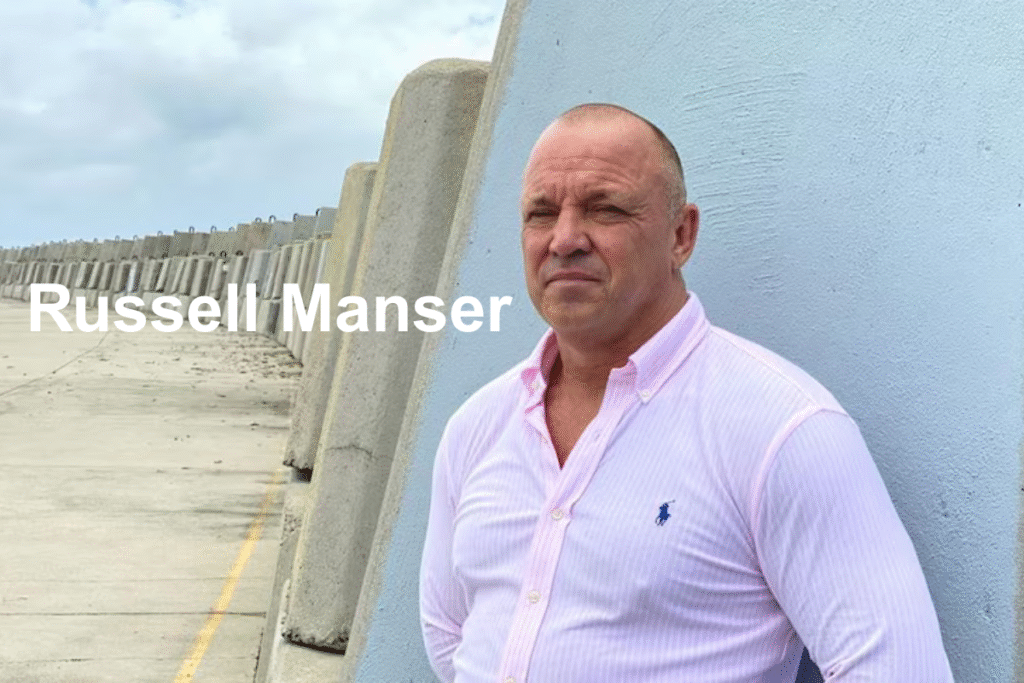
After his final release from prison, Manser met barrister and advocate Mary Keaney. Their relationship began in connection with her professional work supporting survivors. She had previously worked in Indigenous legal services and later represented plaintiffs in historical child sexual abuse cases.
Together, they purchased a rural property in Stokers Siding in New South Wales in December 2020. The property was a four-bedroom home on six hectares valued at over AUD 1.24 million. For Manser, the property offered distance from his past life, space to recover, and potential for a long-term future. He spoke about working on the land and enjoying the quiet environment.
The couple later separated but remained connected through the property. Keaney continued to live there, and Manser returned intermittently. Their partnership was significant in terms of stability, support, and shared professional purpose.
Later, Manser had another relationship. Though that relationship ended, he remained close to the Stokers Siding property and continued to view it as a grounding place, showing that the location itself represented hope and comfort beyond the relationship.
He was the father of two sons from previous relationships and expressed pride and concern for them, especially as they grew older and began building their own lives.
Media, Book and Public Presence
Manser became publicly known for his storytelling about prison, childhood trauma, addiction and recovery. He discussed his life on various media platforms, including appearing on the ABC television programme “Australian Story” in May 2022. Exposure through national media made him a recognised advocate.
He co-authored a book titled “The Voice of a Survivor – The Russell Manser Story” with writer and former bank robber John Killick. The book detailed his life from childhood in western Sydney to advocacy work following disclosure of abuse. The publication marked a milestone in his transformation from a man defined by criminal records to someone attempting to redefine his identity as a survivor and advocate.
Impact on Survivor Advocacy and Redress Systems
The police investigation has prompted broader questions about the survivor advocacy sector and the integrity of historical abuse redress schemes. Authorities have emphasised that fraudulent claims can harm legitimate survivors by reducing public trust and making compensation processes more difficult to navigate. Genuine victims of institutional abuse rely on these schemes for acknowledgement, apology and financial redress, and investigators have urged caution in responding to allegations so that real claims are not dismissed or diminished. The scrutiny has also encouraged legal bodies and government agencies to consider new safeguards, including legislation aimed at prohibiting claim farming and improving oversight of compensation applications. Despite controversy surrounding some individuals in the sector, including those charged, the investigation highlights the need to protect victims while ensuring transparency, honesty and accountability within survivor support networks.
Legal Scrutiny and Claims Fraud Investigation
After Manser’s death on March 24, 2024, attention turned to an investigation by police in New South Wales. The operation, known as Strike Force Veritas, examined allegations that some individuals had submitted false compensation claims for historic child sexual abuse. Allegations included claims being prepared or coached by third parties for financial gain.
Police charged several people in connection with the investigation. Published reports stated that seven individuals were charged with offences including publishing false or misleading material for financial advantage or causing disadvantage. Police also indicated that more arrests were possible.
Manser died before any charges were brought against him. At the time of reporting, police did not allege wrongdoing by Manser personally, and no court findings were made linking him directly to fraudulent activity. His name appeared in media discussion because of his role in survivor advocacy, but any allegations related to him remain unproven. Investigations involving other individuals remain ongoing.
Police emphasised the importance of continuing to protect legitimate survivors while uncovering fraudulent practices. Investigators have recognised that large-scale fraudulent claims threaten to harm the integrity of compensation systems that genuine survivors rely on.
Police Investigation into Compensation Claims
Following Russell Manser’s death in March 2024, attention began shifting toward a major police investigation in New South Wales into allegations of fraudulent child sexual-abuse compensation claims. The inquiry, overseen by detectives under Strike Force Veritas, focused on claims made under historic abuse redress schemes. Police alleged that certain individuals acted as intermediaries, arranging or “farming” claims by encouraging people to submit applications despite having no genuine history of institutional abuse. Investigators said that in some cases claimants were coached to provide detailed fabricated accounts for financial gain, a practice that undermines the confidence and integrity of systems designed to support survivors. At the time of publishing, several people involved in the alleged claim-farming network have been charged, including a man identified publicly as Russell Manser’s son, but Russell Manser himself was never charged before his death and no court findings were made against him personally.
Court Cases and Ongoing Legal Scrutiny
In February 2025, police confirmed that seven individuals were formally charged in relation to the investigation into fraudulent compensation claims. The charges included publishing false or misleading material to obtain financial advantage, incitement to commit offences and dishonestly obtaining financial benefit by deception. Authorities described discovering potential claim values reaching more than one billion dollars, marking one of the largest alleged compensation fraud cases in Australian history.
Police executed search warrants at residential addresses and at a Sydney law firm believed to be connected to the preparation of disputed claims. Investigators stated that additional arrests were possible as inquiries continued. While the legal proceedings against those charged are active, there were no legal proceedings finalised against Russell Manser prior to his death. His name was raised in media coverage of the investigation, but allegations regarding his involvement remain unproven.
Death and Public Response
Manser died in his harbourfront apartment at King Street Wharf near Barangaroo. Authorities stated that his death was not being treated as suspicious. The death brought an abrupt end to a developing life story and left many personal and legal matters unresolved.
Because Manser worked closely with survivors and publicly discussed trauma, addiction and recovery, his death affected not only personal acquaintances and family but also individuals he encouraged to come forward about abuse. Family members spoke publicly about their grief and described him as someone who had worked hard to help others despite his own unresolved trauma.
Legacy, Complications and Conclusions
Russell Manser’s life cannot be summarised as good or bad, criminal or redeemed. It contains elements of all of those. He was a child failed by systems meant to protect him. He became an offender because of untreated trauma. He transformed into someone who wanted to help others find their voice. He attempted to build relationships, property stability, and a place in mainstream society. He faced legal scrutiny in a field that demands integrity and accountability. His death left questions unanswered but also left a legacy of conversation and scrutiny regarding institutional abuse.
His story forces examination of how childhood trauma leads to adult crime, how institutions shape behaviour, and how survivor support systems must operate with fairness and oversight. His life also illustrates that survival and advocacy exist alongside imperfection, controversy and unresolved issues. The impacts of institutional failures do not disappear easily or predictably.
Russell Manser is remembered as someone who tried to confront the harm done to him and others, who tried to assist survivors, and whose complicated life continues to motivate examination of systems designed to protect vulnerable people. His story remains a cautionary reminder that stagnation, silence and systems without accountability can destroy lives, but that attempts to reform must themselves remain transparent, ethical and thoroughly supervised.
Conclusion
Russell Manser’s story brings together trauma, crime, survival, advocacy and controversy in a way that few lives ever do. His journey began in the institutions that were supposed to correct youthful mistakes but instead inflicted lasting harm that shaped his decisions for decades. The abusive experiences he endured in detention and prison contributed directly to addiction, repeated offending and long periods of incarceration. Yet in speaking out later in life, he became a voice for others who had suffered the same violations. Through advocacy work, public appearances and openness about his past, he encouraged people to confront buried pain and seek recognition.
His life outside prison included meaningful relationships, property ownership and an attempt to build stable foundations. The investigation into fraudulent compensation claims and scrutiny around parts of the survivor advocacy industry introduced complex questions that remain unresolved. Manser was never charged and died before any legal process could address those allegations. What can be said with certainty is that he left behind people who cared for him, survivors who felt supported by him and a legacy that compels examination of how institutions respond to vulnerable young people.
Russell Manser’s story ultimately reflects the long reach of childhood trauma and the ongoing need for systems that protect rather than punish, support rather than silence. While parts of his life remain contested and incomplete, his willingness to reveal painful truths changed public conversations about abuse in detention. His legacy is complicated, but it continues to raise important questions about accountability, victim support, justice and the possibility of transformation even after years of suffering.
FAQs
Who was Russell Manser and why is he well known?
Russell Manser was an Australian former bank robber who later became known for speaking publicly about institutional child abuse, prison trauma, recovery from addiction and survivor advocacy.
What did Russell Manser say happened to him in detention?
He said he was sexually abused in juvenile detention and later in adult prison while still a teenager. These experiences shaped his addiction, criminal behaviour and later decision to support other survivors.
How many years did Russell Manser spend in prison?
He spent a combined total of twenty-three years in various Australian prisons, mainly in New South Wales, Queensland and the Northern Territory.
Did Russell Manser really become a survivor advocate after leaving jail?
Yes, after speaking to investigators about the abuse he faced as a teenager, he began supporting survivors of historic institutional abuse, helping them understand compensation processes and legal pathways.
Was Russell Manser ever charged in the police investigation into compensation claims?
No, Russell Manser died before any charges could be laid against him. Police did not allege wrongdoing by him personally and no court findings were made against him.
Why was Russell Manser’s name linked to a fraud investigation?
His name appeared in media reports after police announced an inquiry into alleged fraudulent child-sexual-abuse compensation claims involving claim-farming networks. Others were charged in connection with the investigation but not Manser.
What book did Russell Manser write?
He co-authored a book titled “The Voice of a Survivor – The Russell Manser Story,” which covers his childhood, prison years, trauma, relationships and work helping other survivors.
How did Russell Manser die?
He died in March 2024 at his apartment in Sydney. Police confirmed there were no suspicious circumstances surrounding his death.