
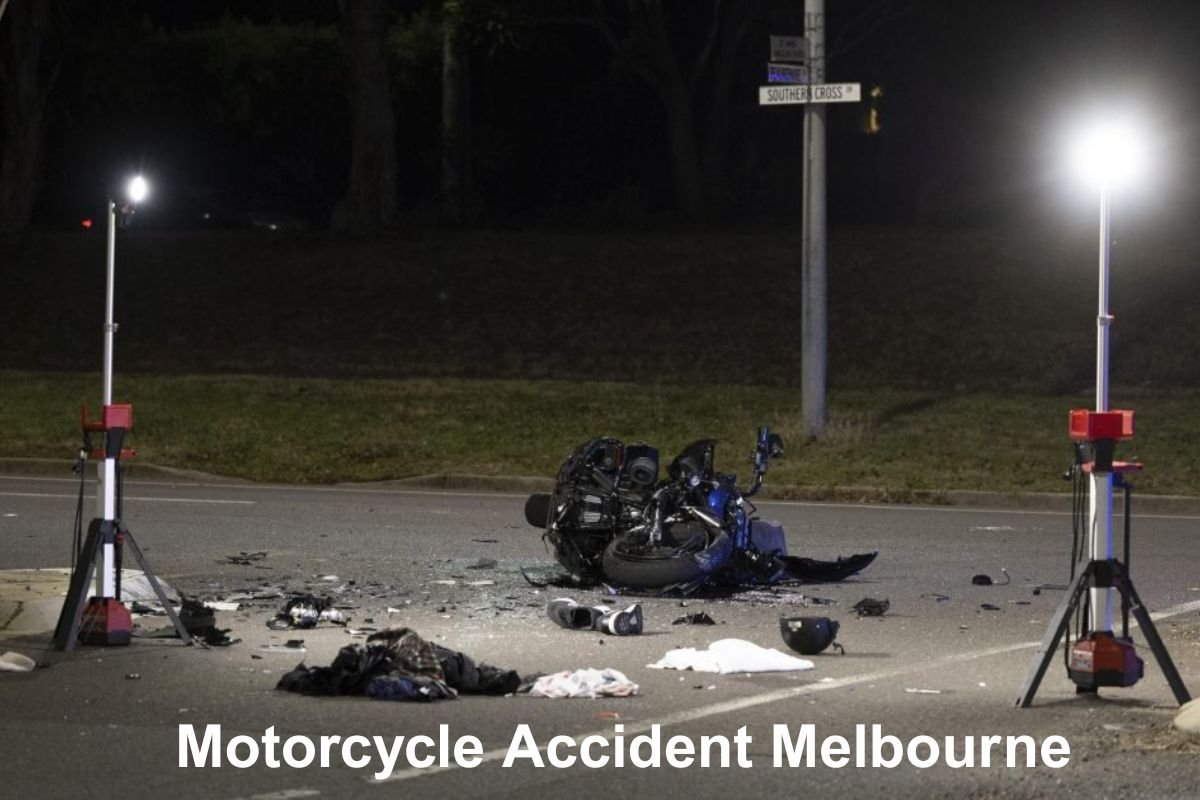
A night drive along Nepean Highway in Melbourne’s southeast turned into a tragic event that claimed two lives and sent two other people to hospital. The collision occurred shortly after 9pm on a mid-week evening near Swanston Street in Mentone. Police confirmed the crash involved a motorcycle with two occupants and a car with two occupants. Despite rapid emergency response and transport to hospital, a male motorcyclist and a female passenger in the car died from their injuries. This investigation-style blog revisits the known facts, the sequence of events, the aftermath, and broader questions surrounding road safety in this busy pocket of Victoria.
Traffic incidents of this kind often happen within seconds, yet the investigation process that follows can take months. What begins as sudden contact between vehicles unfolds into a longer story involving police investigators, forensic specialists, road design concerns, medical teams and grieving families. The aim here is to document everything provided, present the clearest possible narrative, and explore the deeper implications of a crash that changed several lives in a single night.
Where the Crash Happened
Nepean Highway is one of the main transport routes in Melbourne’s southeast. It connects major suburbs, shopping strips, business precincts, railway stations and housing corridors. The section where the crash happened stretches between Mentone and nearby suburbs with a mix of commercial access points and multi-lane vehicle movement. Drivers in this area often travel through at various speeds because of turning vehicles, merging lanes and late-night traffic flow that remains steady even after most shops close.
The vicinity of Swanston Street is identifiable by turning pockets, lane branching and businesses positioned close to the road. Cars and motorcycles travelling through must often make quick decisions about lane placement and movement. At night, visibility typically relies on street lighting and vehicle headlights, which can create unpredictable visual conditions when multiple sources of light mix with moving vehicles.
Police Response and Statements
Police confirmed that officers were called to the scene of a collision shortly after 9pm. They were told that a motorcycle and a car had collided near Swanston Street. Ambulances arrived within minutes and treated four injured people. The man riding the motorcycle was transported to hospital but did not survive his injuries. The female passenger travelling in the car also died, though her death occurred later after hospitalisation.
The female passenger on the motorcycle survived. The male driver of the car survived. Their current medical status has not been released. Police have not provided names, ages, suburbs of residence or further personal information about those involved. Their statement indicated that the investigation into the circumstances of the incident is ongoing.
Clarifying the Deaths and Injuries
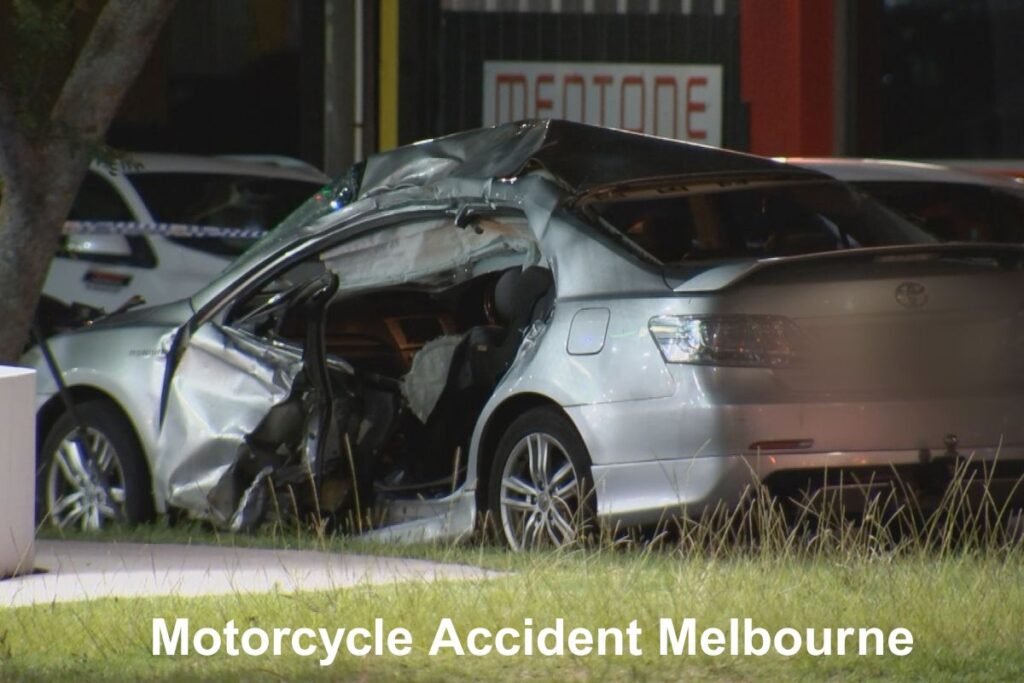
In early reports of this crash, phrasing raised potential confusion because multiple outcomes were described in close succession. To clarify the situation accurately: two people died in the collision. The male motorcyclist died shortly after arrival at hospital. The female passenger in the car died later from her injuries. The woman riding on the motorcycle survived, and the man driving the car survived.
Knowing who died and who lived matters for public clarity, traffic safety analysis and accountability. A single sentence of unclear wording can easily create misunderstandings about the number of fatalities. In this case, two deaths is the confirmed total.
Detailed Timeline of Events
Shortly after 9pm, emergency services received reports of a crash involving a motorcycle and a car on Nepean Highway near Swanston Street in Mentone. Officers attended the scene and documented the position of vehicles, debris spread and damage patterns. Paramedics treated the four injured individuals. All four were transported to hospital.
The male motorcyclist died a short time after arriving at hospital. The female passenger in the car died later. Police made public statements confirming only that two people had died and that the crash remained under investigation.
Although the assembled timeline shows a straightforward order of events, investigators must still examine every second in far greater detail — including how far before 9pm either vehicle was travelling in the area and whether any earlier movement contributed to the final collision.
Investigative Approach
Investigating crashes of this nature involves several layers of examination. One is physical evidence on the road surface. Investigators look for tyre marks, broken parts, impact angles and distances between the initial strike point and final vehicle rest points. These physical clues tell a story of movement that witnesses may not fully recall. Even a small patch of tyre rubber can reveal last-second braking attempts.
Another layer involves inspecting the vehicles themselves. Investigators analyse whether either vehicle experienced tyre trouble, steering faults, brake failure or sudden mechanical issues. Even though no public information suggests mechanical failure in this case, standard procedure requires inspection regardless.
Investigators also seek out visual footage from surrounding businesses or passing vehicles. Dash-cam footage is now one of the most valuable tools in crash reconstruction. A few seconds of video can confirm direction, speed, lane placement and timing, which eliminates guesswork.
Witness statements form another essential element of crash analysis. Some witnesses may have seen movement from one angle while others observed from a different perspective. Investigators cross-reference statements to develop a consistent account of the minutes leading to impact.
Unknown Cause
Police have not announced any cause of the crash. No public information has linked the collision to speeding, impairment, distraction, phone use, visibility limitations or weather issues. There has been no mention of alcohol or drugs. There has been no formal suggestion of unsafe lane changes or illegal manoeuvres. Without official findings, each of these possibilities remains unknown.
Until investigators complete their work, any cause suggested would be speculation, and that would be both inaccurate and unfair to those involved. What has been made known is limited to the basic facts of who was present, who died and who survived, as well as where and when the crash happened.
Road Layout Considerations
The crash location on Nepean Highway is known among residents for regular traffic build-up and sudden slowdowns. Drivers may find themselves merging from local access roads, petrol stations or commercial driveways. Night-time driving along this strip encourages split-second choices about whether to slow, speed up, turn, or change lanes.
Local residents have stated that collisions of various types have occurred previously on this stretch of road. Those accounts describe erratic lane movement and occasional high-speed travel on straight sections of roadway. While these accounts do not replace formal data, they help explain why this corridor receives heightened attention from road safety advocates.
Nepean Highway’s configuration encourages continuous vehicle movement due to long straight lines, multiple lanes and high traffic volume. Because the crash happened at night, lighting and visibility factors may enter into investigation but remain unconfirmed to the public.
Human Impact and Hospital Recovery
Following the collision, families of the deceased and survivors faced unexpected news. A sudden crash of this nature leaves shock, grief and ongoing medical challenges. Survivors, even if released from hospital later, may face rehabilitation, surgical follow-up, reduced mobility or lasting pain.
Frontline responders, including paramedics and police personnel, encounter emotional and psychological strain from collisions that result in death. Although they work within training and experience, the reality of sudden loss leaves lasting impressions. Emergency care teams confront trauma, pressure and urgency within minutes of arrival, and those moments are remembered long after formal duties end.
Remaining Unanswered Questions
Many core investigative questions remain unanswered. At the time of writing, police have not revealed the following information:
- Whether either driver attempted to brake before impact
- Whether weather conditions played any role in visual clarity
- Whether any vehicle made a sudden directional change
- Whether lighting conditions affected visibility
- Whether signage or lane markings may have influenced vehicle positions
- Whether speed measurements were taken
- Whether medical testing was performed on either driver
These are standard pieces of information that remain unavailable until investigative closure.
Road Toll Context
Two deaths from a single crash contribute to the ongoing road toll in Victoria. Motorcycle riders face increased risk due to limited shielding. Motorcycles do not provide structural protection from sudden force. The only protective surface is gear worn by the rider and passenger, which can reduce but not eliminate impact trauma at road speeds.
Car passengers have safety measures such as seatbelts and airbags, yet these do not fully protect against the forces at play during collisions. When two vehicles meet unexpectedly, even structural safety designs can fail to prevent fatal injuries.
Public Safety Discussion
After crashes like this, attention often shifts toward road design modifications, police presence, lighting assessment and awareness messaging. Residents call for improvements when they see repeated collisions near the same location. Questions emerge regarding whether the layout of lanes is suitable, whether turning points can be redesigned, or whether updated traffic controls could reduce risk.
Even when no root cause is officially stated, the existence of fatal collisions prompts conversation about safety strategies. These discussions may eventually reach planning authorities, who decide if changes are needed.
No Indication of Criminal Activity
Police have not reported any criminal activity in connection to this crash. There have been no arrests, no charges and no implication of wrongdoing against any individual involved. Current reporting frames this as a road collision under investigation rather than a criminal matter. Until police confirm otherwise, no assignment of fault should be assumed.
Investigation Status
Police are continuing to analyse available evidence. They have called for dash-cam footage from drivers passing at the time of the crash. They have not issued further updates on findings. The case remains open without conclusions reached.
Crash investigators typically need weeks or months to produce a final report. In many cases, findings include suggestions for driver caution, improved signage or road alterations. Sometimes reports remain closed to the public, especially when no legal matters arise.
Conclusion
A Wednesday night collision on Nepean Highway near Swanston Street resulted in two deaths and two injuries. A motorcycle and a car travelled through the same stretch of roadway at the same moment, and the consequences were immediate. A man who rode the motorcycle died after arriving at hospital. A woman who was a passenger in the car later died from her injuries. Two people survived but face physical and emotional recovery.
The cause remains unknown. Police statements indicate only that the crash is under investigation. The outcome has drawn attention to issues involving mixed traffic movement, night driving, speed judgments, lane control and safety design in one of the busiest transport zones in Melbourne’s southeast. This incident underlines how quickly routine travel can turn into tragedy, and why ongoing patience, awareness and caution on major roads are crucial for everyone behind the wheel or on two wheels.
FAQs
What caused the motorcycle accident Melbourne police are investigating?
Police have not released a cause. They are still reviewing physical evidence, medical reports and footage from the Mentone crash.
How many people died in the motorcycle accident Melbourne?
Two people died: a male motorcyclist and a female passenger in a car involved in the collision.
Where did the motorcycle accident Melbourne happen?
The crash occurred on Nepean Highway near Swanston Street in Mentone, a busy part of Melbourne’s southeast.
Are investigators releasing details about speed or road conditions?
No. Investigators have not confirmed whether speed, lighting, visibility or road layout contributed to the motorcycle accident Melbourne.
Were all people involved in the motorcycle accident Melbourne transported to hospital?
Yes. All four people were taken to hospital. Two later died, and two survived with injuries.
Did weather conditions influence the motorcycle accident Melbourne?
Police have not mentioned weather as a factor. Visibility and lighting will be considered during the investigation.
Did police release names from the motorcycle accident Melbourne?
No. Police have not released any identities due to privacy regulations and ongoing notification processes.
How can witnesses assist police in the motorcycle accident Melbourne investigation?
Anyone with dash-cam footage, CCTV images or firsthand information should contact investigators to help establish what happened.