The internet has a way of turning small ideas into entire identities. A symbol, an emoji or even a sound can spread, shift and grow until it forms a complete cultural language. Few examples show this better than the uwu girl persona and the linked rise of Discord kitten culture. What began as a simple emoticon has reshaped how people express softness, identity, performance and emotional intimacy online. Through platforms like TikTok, Twitch and especially Discord, the uwu persona has become one of the most recognisable traits in modern internet culture. Its growth reveals how digital spaces influence behaviour, relationships and expectations in ways that would have been unimaginable twenty years ago.
Origins of uwu and the foundations of digital cuteness
The uwu emoticon first appeared in the early 2000s in anime communities, role-playing forums, furry circles and fanfiction sites. Made from three characters, uwu resembles the joyful, blushing expression often seen in anime artwork. It carried a warm, shy, affectionate energy. At the time, it served mostly as a playful text reaction rather than a cultural symbol. Its early spread came through LiveJournal groups, DeviantArt comment threads and role-play chatrooms where expressive text flourished.
As Japanese kawaii culture spread globally, the internet became a new home for soft aesthetics, pastel visuals and cute expressions. Anime conventions grew, fan art communities expanded and younger audiences began adopting kawaii traits in everyday online language. On Tumblr, a major cultural hub for teens throughout the 2010s, soft-girl styles and pastel identities became popular. This environment opened the door for uwu to transition from a small emoticon into a widespread emotional tone.
By the late 2010s, uwu had shifted from a text expression to an entire aesthetic. People used it to convey softness, affection and a playful sweetness that contrasted sharply with the fast-moving, often cynical tone of the internet. The rise of TikTok pushed uwu further into mainstream culture, giving it sound trends, fashion interpretations and viral visibility. What had once been a tiny symbol now sat at the centre of a full identity.
From emoticon to distinct persona
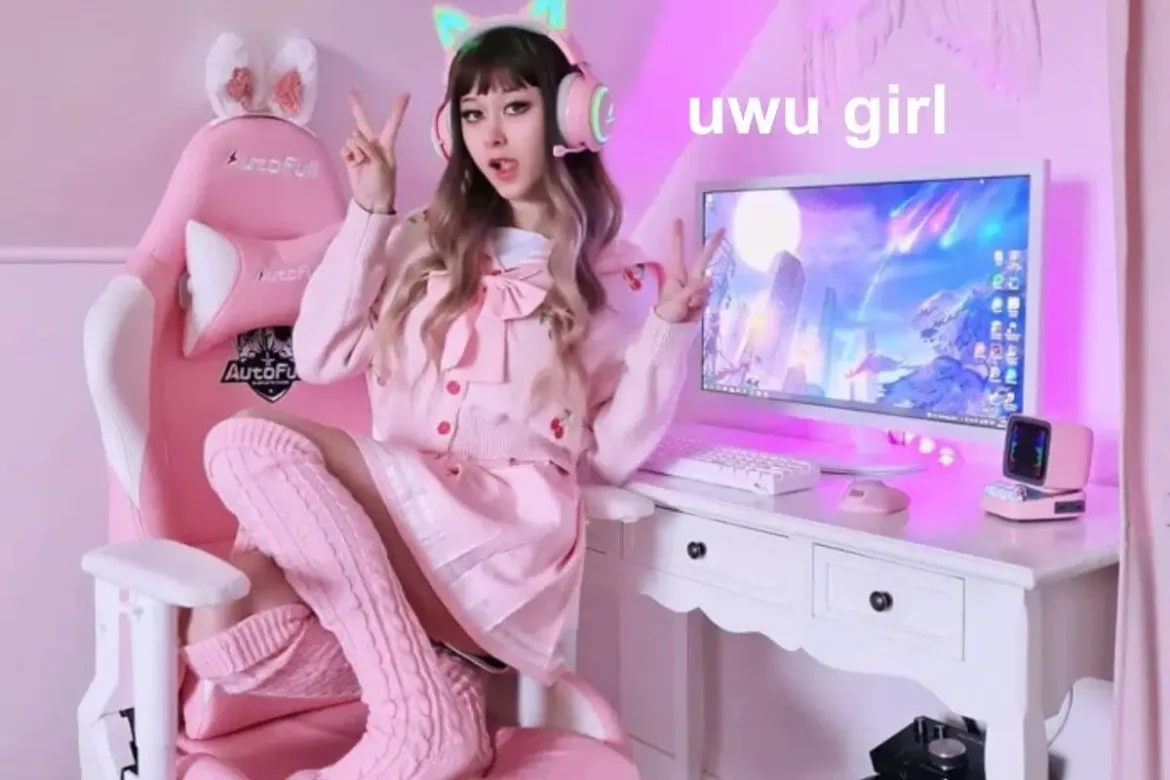
As uwu travelled across different platforms, it gradually formed into a recognisable character type. The uwu girl persona took shape through visual style, speech, behaviour and digital presence. Many uwu girls wear pastel colours, oversized jumpers, fluffy accessories, heart-shaped blush and playful makeup that emphasises softness. Cat-ear headphones became such a strong symbol that they now signal uwu energy on their own.
Voice became an equally important part of the persona. Some uwu girls naturally speak with gentle or higher-pitched voices, while others adjust their tone to fit a shy, sweet or playful sound. This voice style resembles anime characters, VTubers and ASMR creators, which helped it spread further across online entertainment.
The persona itself varies widely. For some, uwu is an authentic reflection of who they are. For others, it is an artistic or playful performance, much like cosplay or character acting. The line between sincerity and performance is not always clear, and that ambiguity adds to the cultural fascination surrounding uwu identity.
The psychology behind uwu expression and why it resonates
Cuteness has a deep emotional impact. Psychologists often refer to the “Kindchenschema” concept, where round shapes and soft gestures trigger instinctive feelings of care and affection. These responses make uwu expressions feel comforting. In stressful digital environments filled with debates, criticism and noise, uwu behaviour offers a moment of warmth and emotional relief.
The uwu voice heightens this effect. Higher-pitched tones capture attention quickly in digital settings because the human brain associates them with friendliness and approachability. Soft, playful speech creates an emotional pause that helps people unwind.
Many uwu girls say their persona helps them manage anxiety, loneliness or past experiences that made them hide their softer side. Online spaces sometimes give people the freedom to express vulnerability without judgement from their offline communities. For others, uwu becomes a confident identity that helps them bond with others more easily.
The emotional response from viewers is just as real. The gentle tone of uwu expression creates a sense of safety and closeness, encouraging friendly interactions and stronger parasocial relationships. These psychological dynamics help explain the rise of uwu creators on TikTok, Twitch and Discord.
Cultural debates around femininity and uwu expression
As uwu culture became more visible, discussions emerged about what it represents. For some, the uwu persona is a celebration of softness and emotional honesty. It challenges the expectation that women must appear polished, mature or serious. The uwu girl embraces warmth, silliness and comfort without apology, offering an alternative form of femininity that feels refreshing to many.
Others view uwu differently. Critics argue that it exaggerates childlike behaviour or reinforces stereotypes that tie femininity to innocence and passivity. In some cases, uwu traits are sexualised in ways that create significant discomfort, especially when the aesthetic overlaps with certain cosplay or online content trends.
These differences in interpretation reflect broader gender conversations across digital culture. Some women see uwu as an empowering expression of softness in a world that often punishes vulnerability. Others feel it pressures female creators into maintaining a cute persona to receive attention or acceptance online.
The meaning of uwu depends heavily on context. In some spaces, it is playful. In others, it becomes a performance shaped by unspoken expectations. This complexity is part of what makes uwu such a significant cultural topic.
The influence of TikTok, Twitch and VTubers
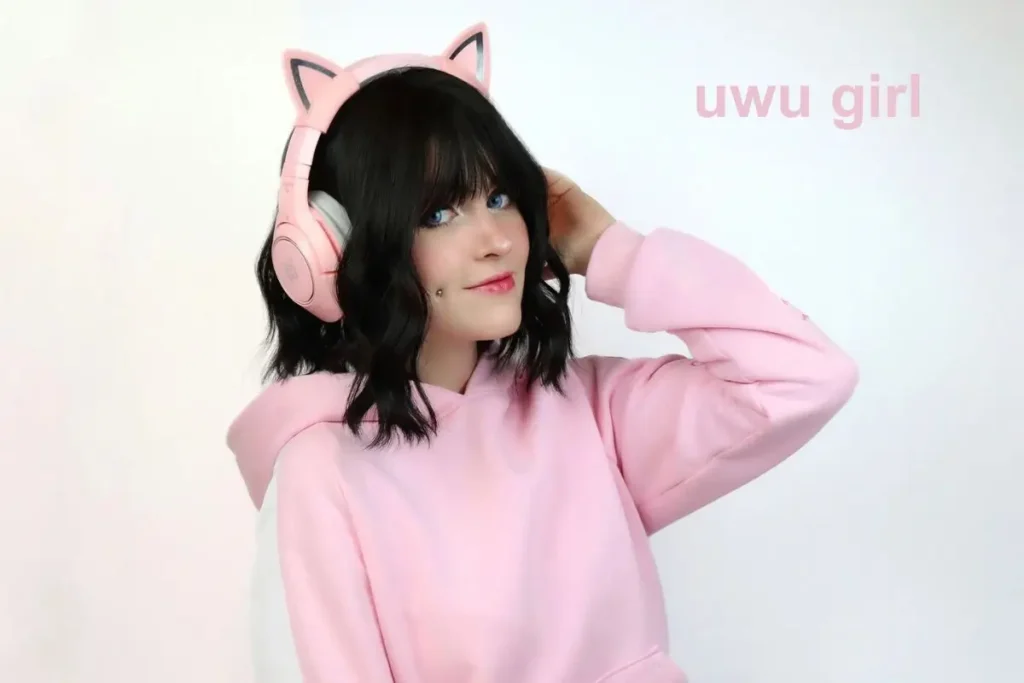
TikTok gave uwu unprecedented visibility. Sound trends featuring uwu voices allowed users to mimic, remix or build characters around the style. The platform’s algorithm boosts content that triggers emotional reactions, making uwu expressions highly shareable. Playful wink routines, blush filters, soft lighting and pastel visuals became core parts of uwu TikTok.
Twitch added another layer through streamers who naturally or intentionally used uwu speech while gaming. The blend of competition, chat engagement and playful cuteness made these creators appealing to specific audiences.
VTubers accelerated the uwu persona even further. Animated avatars with large expressive eyes, bright colours and high-energy reactions amplified uwu traits in a way humans physically cannot. VTubers introduced a polished, hyper-cute version of uwu that has since influenced real human creators. Many uwu girls incorporate VTuber mannerisms like exaggerated shy expressions, soft stutters and animated reactions because viewers associate them with comfort and charm.
The relationship between human uwu girls and virtual uwu characters is now deeply intertwined. Each influences the other, creating a shared performance style across the digital world.
How Discord shaped the uwu identity and created the kitten role
Discord became the heart of uwu culture because of its unique structure. Unlike TikTok’s fast feed or Twitch’s broad audience, Discord offers small communities where individuals can interact through voice, messaging and long-form conversation. This environment allows the uwu persona to feel more personal and direct.
The Discord kitten emerged from this setting. A kitten is generally someone who uses uwu mannerisms, soft speech and affectionate interaction with select users, often men known informally as kings. Some kittens enter the role knowingly because they enjoy the playful dynamic. Others receive the label simply for having a soft voice or friendly nature.
Kitten roles vary depending on the server. In some communities, kittens contribute warmth and social energy, helping keep conversations light and engaging. In others, kittens form close bonds with kings who offer attention, gifts or emotional support.
Because Discord involves real-time voice chat, the uwu persona feels more immediate. For many, hearing the uwu voice in live conversation strengthens parasocial bonds. This direct connection helped kitten culture spread and take shape.
Social dynamics and the unspoken rules of kitten communities
Kitten culture thrives on emotional tone. There are unspoken expectations around friendliness, playfulness and consistency. Some kittens feel pressure to maintain their uwu persona even when they are tired. Others feel expected to respond quickly or stay in character, especially when they receive gifts or special attention.
Jealousy can also play a role. When kittens receive more attention from kings or become popular in certain servers, tension may arise from other members who feel overlooked or annoyed. These emotional dynamics can lead to gossip, conflicts or attempts to exclude kittens from certain spaces.
In gaming servers, kittens often take on a soothing or playful role, balancing the competitive atmosphere. In social servers, kittens may become central figures who help shape the community’s mood. Role-play servers often formalise kitten dynamics into character-based interactions.
These variations show that kitten identity is not a single shared experience but a spectrum that shifts depending on the server culture.
Digital gifting, emotional exchange and the Nitro economy
Discord gifting plays a major role in kitten culture. Nitro, which grants perks like server boosts, animated avatars and higher upload limits, functions as a type of status symbol. Receiving Nitro from a king or admirer signals closeness, appreciation or desire for connection.
The gifting system creates subtle emotional exchanges. Some kings gift Nitro because they enjoy supporting kittens. Others expect attention or affection in return, even if the kitten never agreed to such terms. This can create misunderstandings and unspoken emotional debts.
Beyond Nitro, some kittens receive items from Amazon wishlists or small monetary gifts through platforms like Ko-Fi. These exchanges introduce elements of digital labour and economy into the uwu world. Attention becomes a currency. Emotional presence becomes a form of work. Playful affection becomes something that some users view as reward-worthy.
While not every kitten engages in gifting, the culture surrounding it shapes how others perceive the role.
Harassment, misinterpretation and the challenges of moderation
Uwu girls and kittens often attract criticism simply for being visible. Some users find uwu voices annoying or view the persona as manipulative. These perceptions can lead to teasing, mocking or full-on harassment. In certain cases, jealousy drives group targeting or mass reporting campaigns that lead to temporary bans.
Discord’s moderation system struggles with these situations. Reports are reviewed at scale, and context is often lost. Some uwu girls face punishments not because they broke rules but because a group disliked their presence. Others are accused of leading people on or manipulating for gifts, even when their interactions were friendly and open.
The emotional toll can be significant. Some kittens withdraw from servers. Others hide their natural voice or adjust their personality to avoid negative reactions. The strain of constant judgment can turn what began as a fun persona into a stressful responsibility.
Variations of uwu identities across the internet
Uwu expression is not a single style. Many forms exist depending on community, personality and platform. Soft uwu focuses on gentle speech and natural cuteness. Gamer uwu blends skill with playfulness during streams. E-girl uwu combines bold makeup with kawaii behaviour. ASMR uwu uses soft sounds to create comfort. Some users adopt uwu sincerely, while others perform it ironically for humour.
Each variation serves different social needs. Soft uwu creates comfort. Gamer uwu builds audience engagement. Ironic uwu offers humour and commentary on internet culture. These variations show how adaptable the uwu identity has become.
Global interpretations of uwu identity
In Japan, cuteness is part of mainstream culture, and uwu is often seen as an extension of long-standing kawaii traditions. In Korea, aegyo expressions influence uwu behaviour, particularly in speech patterns. Western users treat uwu more as an internet-driven identity rather than a cultural heritage. These differences shape how uwu is perceived and expressed across regions.
Global fandom events, anime conventions and social platforms further spread uwu traits, blending cultural influences. At the same time, misunderstandings arise when kawaii concepts are adopted without full cultural context.
Future directions of uwu identity in a world shaped by AI
Artificial intelligence is beginning to reshape uwu culture. AI voice generators can now produce uwu-style speech with striking accuracy. Digital avatars are becoming more realistic and expressive, allowing uwu performances to flourish in virtual reality spaces. The metaverse may introduce fully immersive uwu characters who can interact through voice, movement and facial expressions.
This raises questions about how human uwu creators will adapt. Some fear that AI uwu clones may compete with real personalities. Others believe AI will enhance creativity by expanding the ways people can express softness, playfulness and digital warmth.
No matter how technology progresses, the emotional purpose of uwu is likely to remain. People will continue seeking comfort, affection and connection in online spaces. The uwu persona fulfils these desires in a way that feels gentle, approachable and safe.
Conclusion
The evolution of the uwu girl persona and the rise of Discord kitten culture reflect the internet’s powerful influence on identity, emotion and human interaction. From a small emoticon to a global phenomenon, uwu has grown into a language of softness that offers comfort and connection in an increasingly digital world. The persona carries psychological, cultural, economic and emotional layers that shape how people interact across TikTok, Twitch, Discord and emerging virtual spaces.
For some, uwu is natural self-expression. For others, it is a character, a comfort zone or a playful creation. It can bring joy and belonging, yet it can also involve emotional labour, misunderstandings and community politics. Its complexity shows how online identity is never fixed but constantly shaped by community expectations, technology and personal experience.
As virtual environments and AI personalities evolve, uwu culture will continue to adapt. Yet the core essence remains steady: a celebration of softness, warmth and gentle connection. In a digital world that often feels rushed and intense, uwu reminds people that it is still possible to express tenderness, playfulness and emotional openness without fear.
FAQs
What is the meaning of an uwu girl?
An uwu girl is someone who expresses a soft, cute and affectionate persona inspired by anime, kawaii culture and playful online behaviour. The term comes from the emoticon “uwu,” which represents a sweet, shy smile.
What does an uwu girl outfit look like?
An uwu girl outfit often includes pastel colours, oversized jumpers, pleated skirts, fluffy accessories, heart-blush makeup and cat-ear headphones. The clothing style focuses on softness and anime-inspired cuteness.
What are some popular uwu girl names
Uwu girl names often draw inspiration from cute, playful or anime-style sounds, such as Hana, Yumi, Momo, Bunny, Peachy or Hannah uwu. These names suit the gentle tone of the uwu persona.
Who is Hannah uwu?
Hannah uwu refers to online creators or personalities who use the name Hannah alongside the uwu aesthetic. It usually describes someone known for a cute, soft voice or anime-inspired content.
What is an uwu girl voice?
An uwu girl voice is a soft, sweet and often high-pitched style of speaking. Some people have this voice naturally, while others use it as part of an expressive or playful online persona.
What are uwu girl anime characters?
Uwu girl anime characters are those who show shy, sweet and gentle traits often seen in kawaii storytelling. They usually have soft voices, expressive eyes and warm personalities that match the uwu style.
How old is an uwu girl supposed to be?
An uwu girl is not defined by age. The persona refers to a style and behaviour rather than an age group. Teenagers and adults alike use the uwu aesthetic to express softness or playful identity online.
Why is the uwu girl style popular?
The uwu girl style is popular because it mixes comfort, cuteness and creativity. It offers a gentle, anime-inspired way to express personality and has become a well-known trend across TikTok, Discord and gaming culture.