
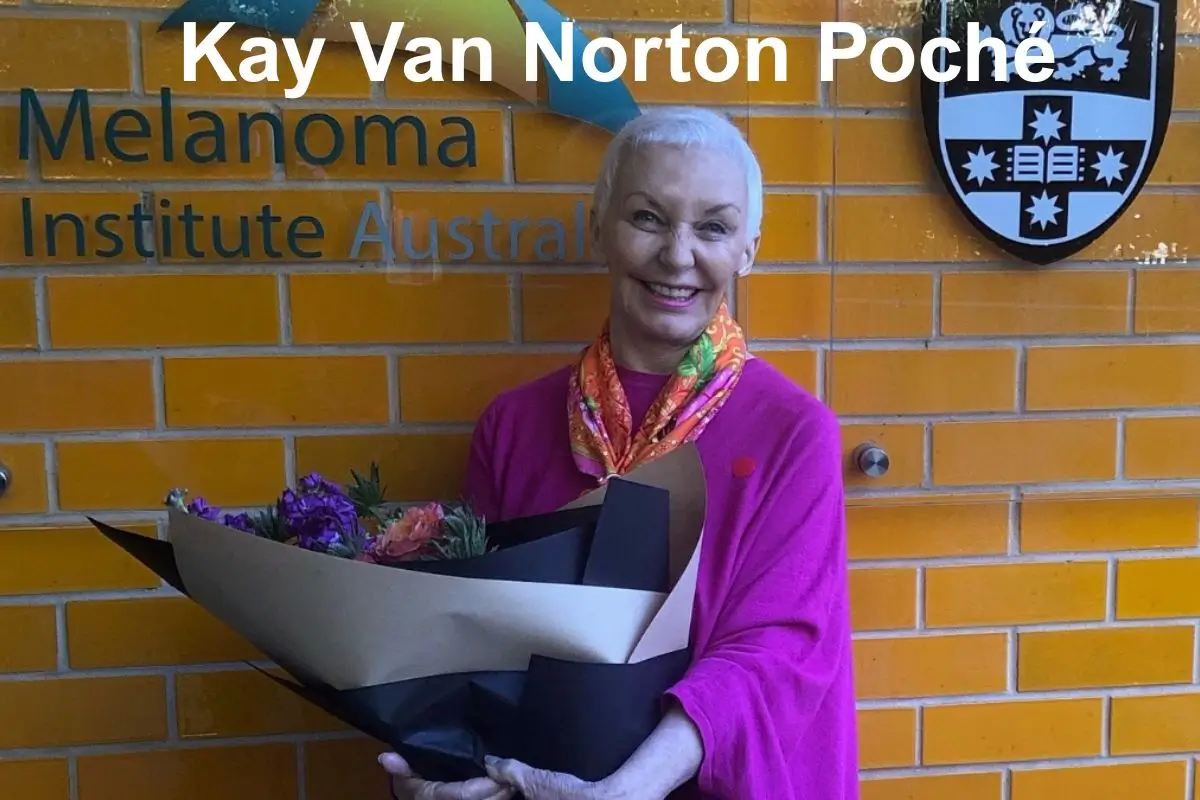
Kay Van Norton Poché was a woman whose generosity, spirit and determination reshaped Australian healthcare and community support in ways that will be felt for generations. Known for her kindness, her humour and her fierce commitment to helping others, Kay devoted her life to strengthening cancer research, melanoma care, Indigenous health and youth palliative services across the country. Working alongside her husband, Greg Poché AO, she helped establish groundbreaking medical facilities, funded life-saving clinical trials and championed opportunities for communities too often overlooked. Her passing in 2024 marked the end of an extraordinary life, but the work she set in motion continues to grow, transforming countless lives through the centres, programs and research she helped bring to life.
Marrickville beginnings and a modest family life
Greg was born in 1942 in Marrickville, a town renowned for its working-class family and multiculturalism. His childhood was straightforward, influenced more by everyday routines than by exceptional opportunities, and his father was an electrician. Greg has always maintained his family’s privacy, therefore information about his mother and siblings has never been disclosed. However, it is known that he learned the virtues of justice, integrity, and diligence in his early years.
Resilience was something that children in post-war Sydney had to acquire at an early age. Like many households in Marrickville at the time, the Poché family depended on ingenuity and pragmatism. These early teachings subsequently served as Greg’s guiding principles. He credited his modest and formative origins for forming his perspective and motivating his dedication to aiding others without access to assistance, even decades after becoming very wealthy.
Dropping out of school early and pursuing his studies at his own pace
Greg did not feel very involved in school, and after earning his Intermediate Certificate at the age of fourteen and ten months, he dropped out. He started working right away, accepting a desk job with the NSW railways that paid just a few pounds per week. For a youngster, it was a steady job, but he soon saw the limits of the position. He chose to work as a builder’s labourer, a physically hard job that paid more, after leaving the trains in search of a greater salary.
Greg was aware that education was necessary for long-term advancement even at this point. He enrolled in night courses because he was determined not to let his early exit from school restrict his future. He adhered to a strict schedule for years, working a full-time job during the day and studying for four hours every night, five days a week. He eventually finished his Leaving Certificate, which is an impressive accomplishment considering the strain and exhaustion of juggling a hard job with severe study.
He continued to work a full-time job and study part-time after completing his secondary education. After graduating from the New South Wales Institute of Technology (formerly known as the University of Technology Sydney) with a degree in business, he went on to gain degrees in operations management and business management. His confidence was bolstered by these years of independent learning, which also paved the way for the establishment of one of Australia’s most prosperous freight companies.
Joining the Workforce and Choosing His Career Path
Greg worked in pharmaceutical sales after earning his degree, where he learned a lot about business structure, relationship-building, and communication. He flourished in the position and gained a solid understanding of customer-focused work. He got a job with TNT in 1970 as the express freight division’s national marketing manager. It was a big step up into a senior position that exposed him to national operations and extensive logistics.
Gregory lost faith in the freight industry’s structure despite the possibilities. He saw activities, such as pricing schemes dictated by market leaders, that he felt were unjust to consumers. As his discontent increased, he became certain that he could provide something better. After barely fourteen months at TNT, he took the audacious choice that would forever alter his life: he left a stable job to launch his own express freight company.
Starting a Freight Company That Put an Entire Industry to the Test
Greg started Discount Freight Express, which went on to become Multigroup Distribution Services and, eventually, the well-known Star Track Express. He concentrated on providing reasonable prices, effective service, and dependable logistics from the start of the company. This put him in direct opposition to the market’s biggest freight businesses, TNT, Mayne Nickless, and Ansett Transport Industries.
These businesses were subsequently discovered to have participated in anti-competitive behaviour as members of a large cartel. Greg offered openness and competition, challenging their methods. As a result of his activities, the Trade Practices Act was used to pursue one of the most important court cases in Australian business history. The corporations implicated were fined millions of dollars as a result of the judgement. Holding an industry responsible was a personal as well as a commercial win for Greg. His greatest professional accomplishment, he subsequently said, was dismantling the cartel’s power.
Standing up to such powerful interests required a great deal of bravery, particularly for a relatively new operation. But Greg’s strong sense of justice kept him unwavering. Star Track Express developed into one of Australia’s top express freight firms throughout time, renowned for its dependability, honesty, and customer care. His firm transformed the freight industry thanks to his strategic vision, work ethic, and comprehension of client demands.
Star Track Express Success and a Life-Changing Event
Star Track Express had expanded to hold a sizable portion of Australia’s multibillion-dollar freight industry by the time Greg sold it in 2003. After selling it to Qantas and Australia Post for over $750 million, Greg became one of the richest businessmen in the nation. However, his sense of self remained unaffected by his financial achievement. A guy who had been raised without luxury did not find extravagant spending appealing. His well-known quip about having just three sports shirts encapsulated his simplicity, humility, and lack of interest in material possessions.
Greg saw the sale of Star Track as the start of a far more important chapter in his life—one devoted to serving others rather than the conclusion of a single profession. It took some time to decide to go from business to charity. It developed from discussions on privilege, opportunity, and the glaring disparities in health outcomes for many Australians, especially Indigenous communities, with his wife, Kay. They were more committed to using their riches for good the more they looked into how they might be of assistance.
Kay Van Norton Poché and I Founded a Philanthropic Vision
Greg and Kay were deeply committed to helping those without access to assistance and medical treatment. Their groundbreaking $40 million commitment to the Mater Hospital Sydney in 2005 to create a melanoma research and treatment facility was their first significant charitable venture. The Melanoma Institute Australia, located at The Poché Centre, was founded thanks to this donation. At the time, it was the biggest gift an Australian had ever given to a single charity.
The institution swiftly rose to prominence as a world leader in melanoma research and therapy. The Poché Centre brought together researchers, surgeons, oncologists, nurses, and students under one roof when it debuted in 2010, fostering a collaborative atmosphere that sped up discoveries and improved patient outcomes. Since then, the facility has treated thousands of Australians, and Greg and Kay’s assistance has influenced immunotherapy advancements.
Every year, the pair continued to support MIA by providing financing for therapeutic trials, education initiatives, and continuing research. They often participated in Melanoma March events, particularly in Manly, where they spoke with families whose lives had been spared or prolonged by therapies made possible by their efforts. For individuals dealing with terrifying diagnoses, their support and presence offered consolation and hope.
Changing Indigenous Health Nationwide
Greg and Kay made significant contributions to the advancement of Indigenous health in Australia in addition to their work in melanoma research. In order to establish the first Poché Centre for Indigenous Health, they donated $10 million to the University of Sydney in 2008. This institute supported research, trained Indigenous health professionals, and strengthened culturally directed healthcare delivery in an effort to reduce the significant health disparity between Indigenous and non-Indigenous Australians.
The Sydney center’s success inspired Greg and Kay to broaden its scope. In order to establish additional Poché Centres at Flinders University, the University of Queensland, the University of Western Australia, and the University of Melbourne, they eventually contributed more than $50 million. The federal Health Minister established a national Indigenous health network in 2015 with Professor Tom Calma AO as its patron and chair as a result of their support. This network improved long-term plans for improving Indigenous health and became one of the most important philanthropic partnerships among Australian institutions.
Greg and Kay enabled Indigenous scholars, researchers, and community leaders to develop health solutions based on cooperation and cultural awareness via these projects. In order to prepare the next generation of physicians, nurses, psychiatrists, and public health specialists, the centres continue to educate an expanding Indigenous health workforce.
Assisting Youth With Life-Limiting Conditions
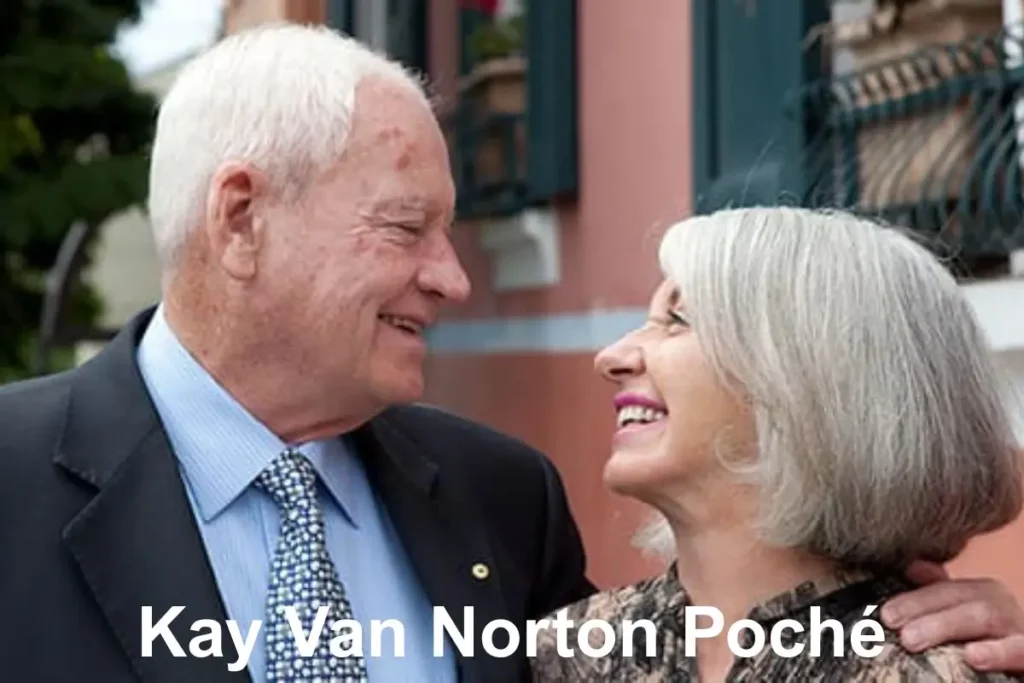
When Greg and Kay donated $6 million to support the founding of the Manly Adolescent and Young Adult Hospice, they expanded their charity to include young people with critical medical needs. Offering respite, symptom management, and end-of-life care to individuals aged 15 to 24, this institution became the first of its type in Australia. It was created to help families dealing with tragic situations by offering them dignity, tranquility, and support during their most trying times.
The couple’s idea that healthcare should go beyond hospitals and provide young people with specialist care, compassion, and respect is reflected in the hospice.
A Last Present That Revolutionised Cancer Research
During her own sickness in 2024, Kay shifted her attention to helping Australian cancer sufferers get access to clinical trials. She and Greg backed the establishment of a $20 million clinical trials research centre run by the Northern Sydney Local Health District in collaboration with the famous Memorial Sloan Kettering Cancer Centre in New York. The new facility, called the North Sydney studies and Research Van Norton Poché facility, started to sign up Australians for clinical studies that were already taking place in the US, such as those for throat, stomach, and breast cancer.
Clinical trials abroad are financially or logistically unfeasible for many Australians. By bringing foreign research to nearby hospitals and enabling patients to get novel therapies without travelling abroad, this institute altered that. Kay’s taped message before her death, in which she urged patients and researchers to keep fighting and to utilise all available resources to “beat this to death,” is reflected in the effort.
Honours, Acknowledgement, and National Impact
Greg has received much recognition in Australia for his achievements. Because of his contributions to business and society, he was named an Officer of the Order of Australia in 2009. A number of Australian institutions, including the University of Western Australia and the University of Melbourne, awarded him and Kay honorary doctorates in recognition of their outstanding leadership in Indigenous assistance and healthcare. Major health institutions commemorate their charitable endeavours and attribute some of the nation’s most significant medical advancements to the pair.
Personal Philosophy, Lifestyle, and Character
Greg has always led a modest life despite the extent of his fortune. He enjoys simple life, stays away from extravagant events, and despises attention. He publicly showed little interest in frivolous expenditures, and he reportedly made a joke about having just three sports shirts—a story that is often used to highlight his modesty. He has maintained his groundedness throughout his life, prioritising integrity over recognition and purpose over prestige.
In terms of his personal and charitable life, his marriage to Kay was crucial. They have the same goal of assisting those without access to quality medical care. Their investments were long-term commitments meant to bring about long-lasting change rather than quick charitable deeds. Although Greg’s children are known to exist, specifics about them are kept confidential, in keeping with his quiet and secluded lifestyle.
Riches and Goals
Greg’s net worth has varied throughout the years, with Forbes listing him as one of Australia’s 50 wealthiest people in 2015, The Australian putting it at around $566 million in 2019, and BRW estimating it at $932 million in 2010. He has never, however, quantified his accomplishment in terms of money. For Greg, having money has never been a status symbol but rather a chance to effect change. Few people could equal the impact of his more than $100 million in contributions on the nation’s healthcare system.
An Enduring Heritage for Australia
The life of Greg Poché AO is an example of fortitude, morality, and kindness. His narrative demonstrates how one person can significantly alter a country, starting with his early years of physical labour while studying at night, continuing with the establishment of a freight firm that opposed large companies, and concluding with his latter years of generosity that saves lives every day.
Global cancer survival rates have increased as a result of his contributions to melanoma research. Workforce development, community leadership, and culturally sensitive healthcare have all benefited from his support of Indigenous health. His dedication to clinical trials is already enabling Australians to access medications that were previously only accessible abroad, and his work in juvenile palliative care provides young people with comfort and dignity.
He and Kay left behind a legacy of kindness, bravery, and purposeful action. Their influence keeps expanding, influencing next generations of scholars, physicians, families, and communities. Greg’s life continues to serve as a potent illustration of how to use achievement to inspire others and the remarkable results that may arise when willpower and purpose are combined.
Conclusion
The life of Greg Poché AO is a unique illustration of what may be accomplished with perseverance, modesty, and a strong sense of obligation. His journey from a humble upbringing in Marrickville to becoming one of Australia’s most prosperous freight enterprises exemplifies the power of desire defined by perseverance rather than privilege. But what really makes him unique is his dedication to give back. He and his late wife, Kay Van Norton Poché AO, had a vision that changed melanoma research, increased access to cancer treatment, transformed Indigenous health programmes, and established vital care services for young people with terminal illnesses.
Thousands of lives nationwide are still impacted by the organisations, research facilities, and community initiatives that are now in place as a result of their funding. Their work shows that, when motivated by compassion and conviction, giving can be transformational, long-lasting, and strategic. The legacy Kay and Greg created together is still growing, guaranteeing that their contributions will be remembered by future generations even as Australia grieves for Kay’s departure.
Greg’s story serves as a reminder that the real test of success is not riches but rather the long-lasting effects that result from using achievement to improve the lives of others. His life is still a living example of the strength of purpose, and for many years to come, his impact will continue to affect Australian healthcare, research, and community assistance.
FAQs
Who was Kay Van Norton Poché?
Kay Van Norton Poché was an Australian philanthropist known for her major contributions to cancer research, melanoma treatment, Indigenous health, and youth palliative care. She worked closely with her husband, Greg Poché AO, to establish some of Australia’s most influential health and research centres.
What was Kay Van Norton Poché best known for?
She was best known for her life-changing donations to the Melanoma Institute Australia, her national support for Indigenous health centres, the Manly Adolescent and Young Adult Hospice, and her final $20 million gift to establish a world-leading cancer clinical trials hub.
When did Kay Van Norton Poché pass away?
Kay passed away on 14 June 2024 after a long illness, surrounded by her family. Her loss was felt deeply across Australia’s medical and research communities.
What impact did Kay Van Norton Poché have on cancer research?
Kay helped establish the Poché Centre for Melanoma Research and later contributed to a national cancer clinical trials hub in partnership with Memorial Sloan Kettering Cancer Center. Her contributions expanded access to innovative cancer treatments for Australians.
How did Kay Van Norton Poché support Indigenous health?
She and Greg founded the first Poché Centre for Indigenous Health at the University of Sydney and expanded this into a national network across multiple universities. Their work strengthened Indigenous health research, professional training and community-led healthcare solutions.
What was Kay’s role in youth palliative care?
Kay and Greg donated $6 million to help create the Manly Adolescent and Young Adult Hospice, Australia’s first dedicated facility for young people aged 15 to 24 with life-limiting illnesses.
What honours did Kay Van Norton Poché receive?
In 2019, she was appointed an Officer of the Order of Australia (AO) for her exceptional service to the community, particularly in health, Indigenous wellbeing and medical research.
What is Kay Van Norton Poché’s lasting legacy?
Kay’s legacy lives on through the medical centres, research programs and healthcare networks she helped build. Her generosity continues to improve cancer outcomes, advance Indigenous health and support vulnerable young people across Australia.