
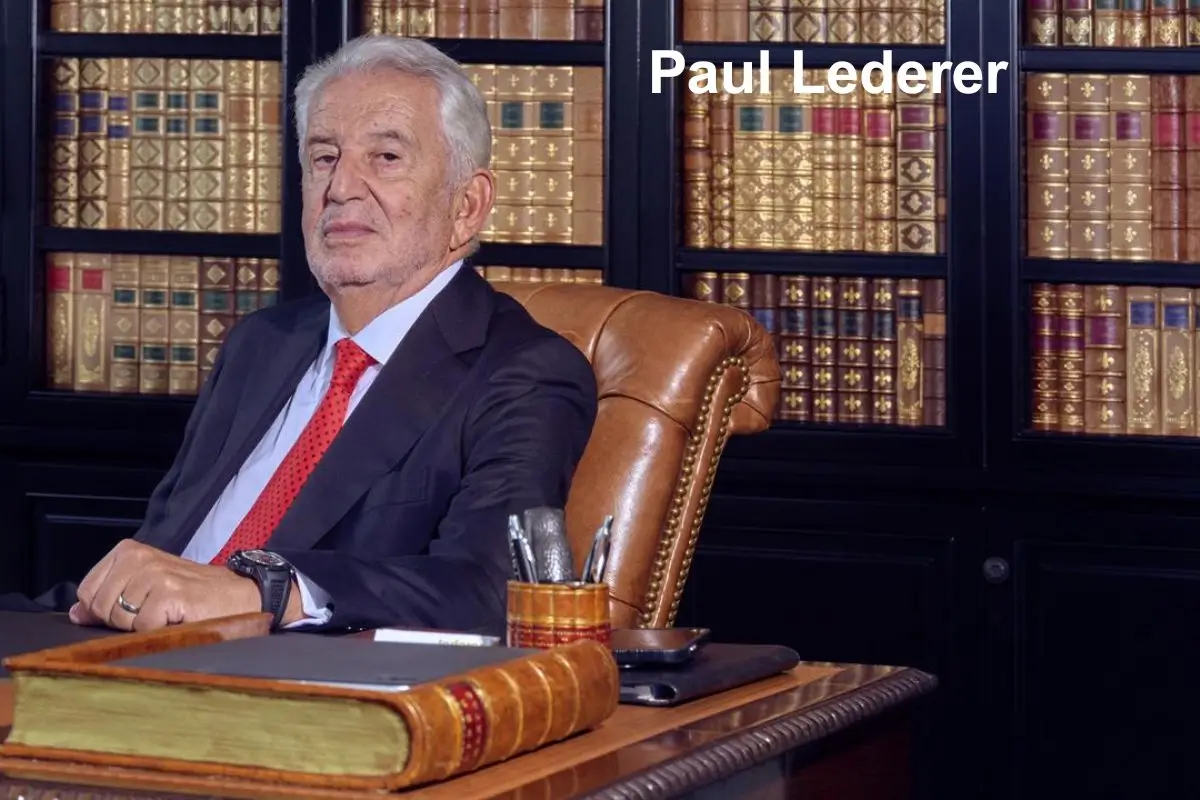
Paul Lederer has become one of the most significant private business leaders in contemporary Australia. His influence spans food manufacturing, investment management, commercial property and professional football, with each field demonstrating his ability to build, transform and guide major organisations. From leading Primo Smallgoods to national prominence to shaping the direction of investment firm 3 Capital and supporting the growth of Western Sydney Wanderers, his career demonstrates deep operational understanding, disciplined leadership and long-term strategic thinking. Although he maintains a private personal profile, his public contributions to Australian business and sport remain substantial. This blog presents a detailed, strictly factual account of his work, the industries he has shaped and the legacy he continues to build.
Migration and Early Connection to the Food Industry
Born in Hungary in 1957, Paul migrated to Australia during childhood. His family arrived during a period of strong post-war migration that contributed significantly to the country’s economic and cultural development. Shortly after settling, his relative Andrew Lederer established a small butcher shop in Sydney. The modest business provided financial stability for the family and marked the beginning of what would later become Primo Smallgoods, one of Australia’s best-known meat processing companies. Paul’s early exposure to the business environment of the butchery and the family’s involvement in food production formed the earliest foundation of his future career. Although public records contain little detail about his early education or personal upbringing, his pathway into the family business became a defining pivot point in his professional life.
Development of Primo Smallgoods
As Paul entered adulthood, he became increasingly involved in the development of Primo. During the late twentieth century, the Australian food manufacturing industry underwent significant change. Consumer preferences shifted, supermarkets expanded across the country and the demand for packaged, processed and ready-to-cook foods grew rapidly. Primo was well positioned to capitalize on these trends. Under the direction of Andrew and later Paul, the company expanded its operations, enhanced its production capacity and broadened its product portfolio.
Primo invested heavily in modern equipment, streamlined processing lines and improved refrigeration technology, allowing it to produce larger volumes at consistent quality. Over the years, the company became a major supplier to national supermarket chains, wholesalers, hospitality venues and retailers, strengthening its relationship with customers and securing its position within a competitive market. Primo’s growth mirrored broader changes within the industry, as efficiency, scale and distribution capability became central to meeting national demand.
Leadership and Operational Stewardship
Following the passing of his uncle Andrew in 2004, Paul assumed the role of chief executive of Primo. His leadership came at a time when the Australian food sector faced rising production costs, evolving food safety regulations and increasing competition from both domestic and international producers. Paul guided the company through these challenges by focusing on operational improvement, expanding product lines and reinforcing production facilities.
Managing one of the country’s largest privately owned manufacturing operations required strategic foresight. Supply chain resilience, workforce stability, investment in technology and financial discipline were all essential to sustaining the company’s position. Paul’s leadership helped maintain Primo’s market share and supported its expansion into new areas of production and distribution. His ability to navigate economic and regulatory pressures demonstrated a strong understanding of the industry’s complexities.
The Sale to JBS and Its Significance
In 2014, Primo Smallgoods was acquired by JBS Australia for approximately $1.45 billion. This transaction remains one of the most significant food-sector acquisitions in Australian history and underscored Primo’s value within the national market. The sale reflected the company’s strong financial performance, well-established distribution network and considerable production capabilities.
JBS, already one of the world’s largest protein companies, sought to strengthen its presence in Australia’s processed meat industry. Primo’s acquisition allowed JBS to expand its product segments and consolidate its Australian operations. For Paul, the sale marked the conclusion of a major chapter in his career and the transition into broader business ventures. The transaction also sparked national discussion regarding foreign ownership, food supply chain control and the future of Australian processing industries.
Establishing 3 Capital and Expanding Into Investment Management
After the sale of Primo, Paul co-founded 3 Capital and assumed the role of chairman. The firm oversees a diversified investment portfolio that includes commercial property, private equity, private debt and listed real estate securities. Drawing on decades of operational experience, Paul helped position 3 Capital as a firm focused on stability, long-term value and disciplined investment structures.
3 Capital’s operations reflect growing trends within Australia’s private capital landscape, where family offices and private investors play increasingly important roles in funding large-scale projects, acquiring commercial assets and supporting new enterprises. Paul’s business background informs the firm’s strategic direction, emphasising assets with sustainable long-term returns and strong fundamentals.
Commercial Property and Development Influence
Through the Lederer Group and his investment operations, Paul has built a considerable presence within Australia’s commercial property sector. His portfolio includes shopping centres, office buildings, industrial facilities and mixed-use developments. Over time, these holdings have contributed to economic development, job creation and commercial activity in regional and metropolitan areas.
Paul’s approach to property investment aligns with a philosophy of long-term growth rather than short-term speculation. His acquisitions and redevelopment projects reflect broader market cycles, urban expansion patterns and shifts in commercial tenancy demands. As Australia continues to develop new commercial hubs and revitalise existing precincts, his investments play a role in shaping evolving city and suburban landscapes.
Consolidated Real Foods and Continued Influence in Food Manufacturing
Following the sale of Primo, Paul maintained his presence in the food sector through Consolidated Real Foods, a group focused on manufacturing, value-added processing and foodservice distribution. The group supports a wide network of clients, including retailers, hospitality venues and wholesalers, reflecting ongoing demand for reliable and efficient food supply chains.
Consolidated Real Foods occupies a significant position within Australia’s broader food production environment. The group’s focus on value-added processing supports sectors that rely on partially prepared or ready-to-cook ingredients, allowing commercial kitchens and retailers to streamline operations. Paul’s continued involvement in this industry demonstrates his long-standing confidence in Australian food manufacturing and his commitment to maintaining domestic processing capacity.
Leadership in Western Sydney Wanderers and Contribution to Australian Football
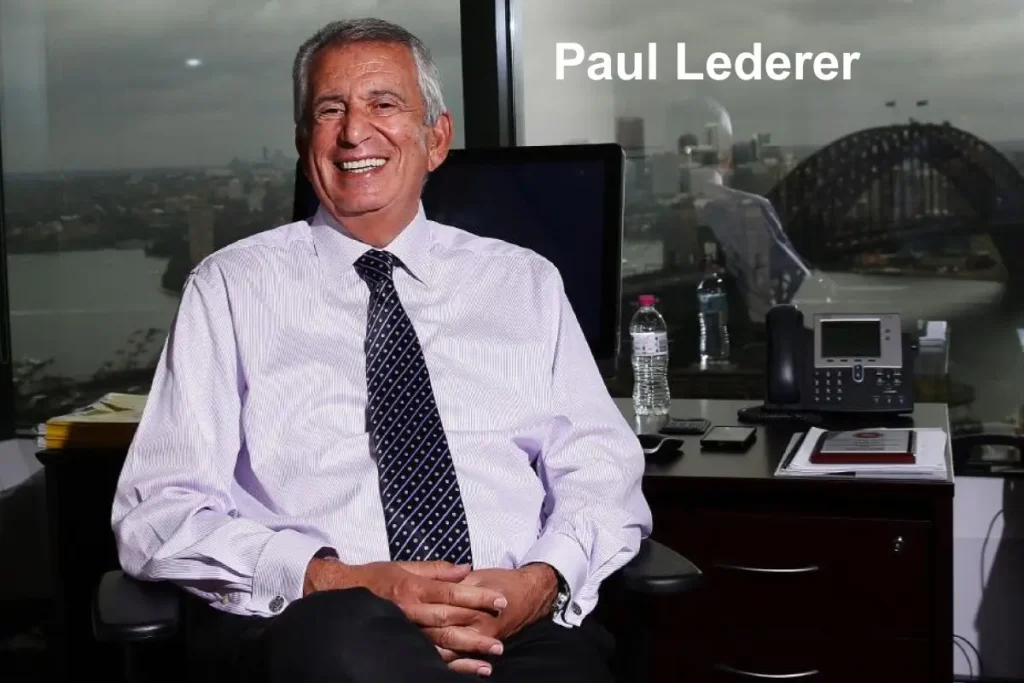
Paul’s influence extends into professional sport through his leadership role with Western Sydney Wanderers FC. In 2014, he joined the ownership consortium that assumed control of the club’s licence. Shortly afterward, he became chairman of the club’s board. The Wanderers quickly established themselves as a major presence in the A-League, supported by one of the country’s most passionate fan bases and representing a region with deep football culture.
Under Paul’s stewardship, the Wanderers strengthened their academy structure, expanded community programs and invested in operational improvements. His involvement reflected not only his interest in football but also his recognition of the sport’s cultural significance within Western Sydney.
Leadership in the Australian Professional Leagues (APL) and Football Governance
Paul played a major role in national football governance when he became chair of the Australian Professional Leagues, the body responsible for managing the A-League, the W-League and youth competitions. His tenure oversaw the unbundling of the professional leagues from Football Australia, a structural reform widely viewed as one of the most significant shifts in the modern era of Australian football.
Under this model, club owners gained greater authority over commercial operations, marketing, competition structures and long-term development strategies. During Paul’s chairmanship, the APL focused on growth initiatives, digital innovation and the strengthening of player pathways. His leadership helped lay foundations for future progress and contributed significantly to the long-term direction of the sport.
Impact on Community and Social Programs
Through his involvement with Western Sydney Wanderers and his wider business operations, Paul has had a meaningful impact on community initiatives. Programs supported by the club encourage youth participation in sport, multicultural engagement and skill development across Western Sydney. His enterprises contribute to job creation across multiple sectors, reinforcing his broader influence on economic and social development.
A Leadership Style Built on Experience and Long-Term Vision
Paul’s leadership across various industries demonstrates a consistent approach grounded in practical experience, strategic discipline and long-term foresight. At Primo, he guided the company from a family operation to a major national manufacturer. At 3 Capital, he applies structured decision-making and governance to investment strategy. In football, he has helped shape both club-level development and national league direction. Across all areas, his success reflects adaptability and an ability to identify opportunities that align with long-term stability and growth.
Net Worth and Financial Standing in Australia
Public wealth assessments record Paul as one of Australia’s wealthiest individuals. His net worth rose sharply following the sale of Primo Smallgoods and has continued to expand through his property holdings, food industry investments and the portfolio managed through 3 Capital. Recent valuations place his net worth at approximately $1.9 billion, positioning him within the upper tier of Australia’s private capital owners. This financial standing reflects the scale of the enterprises he oversees and the long-term performance of his diversified investment portfolio.
Role Within Australia’s Private Capital Landscape
Paul occupies a prominent position within Australia’s expanding private capital sector. Family offices, private equity firms and long-term private investors play increasingly influential roles in shaping commercial property markets, funding infrastructure and supporting business expansion. Paul’s work through 3 Capital places him among these key contributors, and his experience in operational leadership provides an added dimension to his investment perspective.
Influence on Australian Manufacturing and Agribusiness
Primo’s evolution under Paul’s leadership left a strong imprint on Australian manufacturing. The company demonstrated that large-scale domestic food production could succeed even in highly competitive global markets. The sale of Primo strengthened Australia’s position in the global protein supply chain and highlighted the value of industrial capability built from private enterprise. His continued involvement through Consolidated Real Foods reinforces his connection to these industries and supports the ongoing strength of domestic food processing.
Contributions to Western Sydney’s Economic and Cultural Growth
Western Sydney continues to undergo significant growth, and Paul’s involvement in football and property contributes to the region’s development. The Wanderers have become a symbol of community pride, cultural diversity and sporting achievement. His investment activity contributes to commercial expansion and helps support the broader economic landscape of the region.
Conclusion
Paul Lederer’s career reflects a remarkable journey across manufacturing, investment, property and sport. His leadership transformed a family-owned butchery business into one of Australia’s most prominent food manufacturers, culminating in a landmark acquisition by a global corporation. His transition into private investment and commercial property has expanded his influence across multiple sectors of the Australian economy. His involvement with Western Sydney Wanderers and the Australian Professional Leagues demonstrates his commitment to strengthening both the sporting and cultural fabric of the nation. Across all areas, his work embodies a commitment to long-term planning, strategic clarity and building enterprises that endure. His legacy remains firmly rooted in the development of modern Australian industry and community life.
FAQs
Who is Paul Lederer?
Paul Lederer is an Australian business leader known for his work in food manufacturing, commercial property, private investment and professional football. He led Primo Smallgoods for many years before selling it to JBS and later became chairman and co-owner of Western Sydney Wanderers.
What is Paul Lederer best known for in business?
He is best known for transforming Primo Smallgoods into one of Australia’s major food manufacturers and overseeing its sale to JBS for approximately $1.45 billion. He later founded 3 Capital, an investment firm focused on property, private equity and financial assets.
What is Primo Smallgoods and what was his role in it?
Primo Smallgoods is a major Australian producer of smallgoods including ham, bacon and processed meats. Paul joined the business early in his career, became chief executive in 2004 and guided its national expansion and operational growth.
What is Consolidated Real Foods?
Consolidated Real Foods is a group controlled by Paul Lederer that focuses on food manufacturing, value-added processing and foodservice distribution. It represents his continued involvement in Australia’s food industry after the sale of Primo.
What is Paul Lederer’s involvement in professional football?
Paul is chairman and co-owner of Western Sydney Wanderers FC. He also played an influential role in the Australian Professional Leagues as its chair, contributing to the unbundling and independent management of the A-League and W-League.
What is Paul Lederer’s net worth?
Public financial assessments list Paul among Australia’s wealthiest individuals. Estimates place his net worth at close to $2 billion, reflecting his success in food manufacturing, property and investment.
What businesses does Paul Lederer operate today?
He leads 3 Capital, manages extensive commercial property holdings through the Lederer Group and oversees food industry operations through Consolidated Real Foods. He also remains heavily involved in Western Sydney Wanderers.
Why is Paul Lederer considered influential in Australian industry?
Paul’s influence comes from his leadership in multiple sectors: he grew Primo into a national powerhouse, expanded into private capital and commercial property, and helped reshape professional football governance in Australia. His decisions continue to impact manufacturing, investment and sport nationwide.