
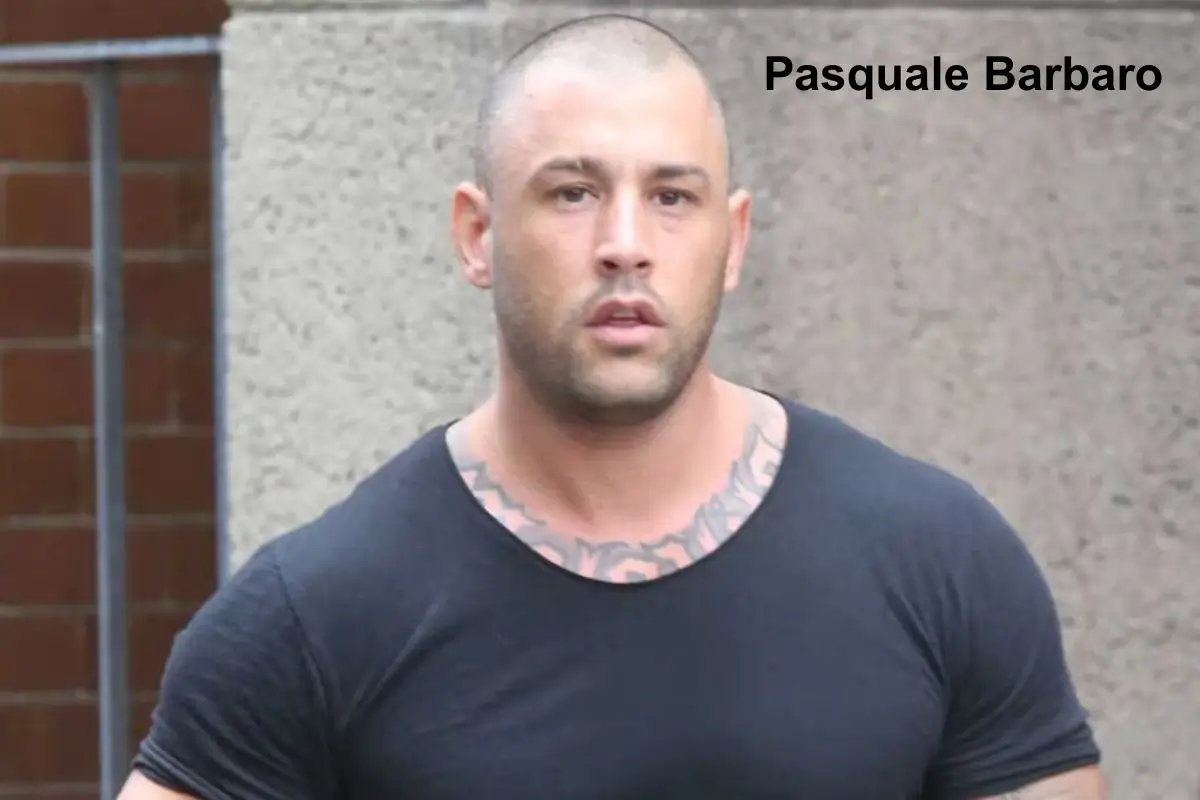
The killing of Pasquale “Pasq” Barbaro in November 2016 began as a sudden burst of violence on a quiet suburban street and evolved into one of Australia’s most revealing criminal investigations. Barbaro was an underworld figure with a long-standing family reputation linked to organised crime networks. He lived in a world of fast cars, designer clothing and shifting loyalties among bikies, drug dealers and criminal operators. What looked like a straightforward gangland hit eventually revealed encrypted technology, cross-border police collaboration and hidden surveillance recordings. Years later, suppressed evidence became public and showed how deeply technology was embedded in Sydney’s underworld operations, and how determined investigators were to expose it.
The Night of the Killing
On 14 November 2016, Barbaro had dinner at the Earlwood home of Sydney property developer George Alex. Court records make clear that Alex was not accused of involvement, but his house was the last place Barbaro visited. Shortly after 9.30pm, Barbaro entered his silver Mercedes on Larkhall Avenue. As he closed the door, a stolen Audi pulled alongside him and opened fire. Barbaro attempted to flee, running down the street while wounded, but he was chased by Abuzar “Abs” Sultani, who fired at close range and struck him again. The entire attack lasted only twenty-seven seconds. The Audi was then driven to Concord, set alight to remove forensic evidence and abandoned. The men later travelled in a Subaru WRX owned by Sultani, unaware that police had already planted a listening device in the vehicle.
Police Investigation: Surveillance and Hidden Devices
The police investigation into Barbaro’s death did not begin with his murder. It was already underway. Detectives had been monitoring a breakaway faction linked to the Rebels motorcycle club for months. They had installed a covert listening device inside Sultani’s Subaru WRX and placed surveillance around his Sydney Olympic Park apartment. When Barbaro was shot, investigators were able to track suspicious vehicle movements almost immediately. Their early intelligence made it possible to follow the case with more precision than a typical gangland investigation.
Two weeks after the murder, on 29 November 2016, police carried out coordinated arrests across Sydney. Abuzar Sultani, Siar Munshizada, Joshua Baines and Mirwais Danishyar were all taken into custody. During the arrests their phones were seized but no incriminating data appeared. It soon became clear the group used encrypted BlackBerry email systems that allowed messages to be exchanged only between specific devices. Each person used a code name. Sultani used “unconfirm,” Munshizada used “bullet.proof,” Baines used “screamers,” and Danishyar used “outtacontrol.” The encrypted platform included a central administrator who could erase message histories instantly, making the phones appear clean during initial searches.
Digital Breakthrough and Recovered Messages in Canada
For years these encrypted emails remained inaccessible. In 2019, Australian investigators travelled to Canada, where BlackBerry servers are based, and with the assistance of federal authorities retrieved archived messages thought to be wiped. These emails became the decisive breakthrough. One message sent minutes after the murder read, “It’s done. We driving pray we arrive safe.” Another described Barbaro as a “big rat.” At 10.46pm on the night of the murder, Munshizada sent the message, “The dog is dead lol sent back to our creator to confess his sins and scummy acts lol.” Around thirty minutes later another message declared Barbaro was “officially dead about an hour ago.”
The messages also revealed the killers’ panic after watching television reports of the murder. Sultani worried that a CCTV camera across the street from George Alex’s home may have captured his face. In a message sent on 23 November 2016 at 10.27pm, Sultani wrote, “Just been thinking about hoodie. Just wonder if they got me or not. Otherwise I should be sweet. It was done clean.” Baines responded by reassuring him that he kept his head down to avoid clear camera footage. The encrypted records showed the operation through the killers’ own words, capturing a mix of arrogance, fear, relief and tactical evaluation.
Early Underworld Activity and Criminal Reputation
Before his death, Barbaro was closely associated with Sydney’s criminal networks. He had been linked to drug production activity and was reportedly facing trial over methamphetamine charges. People familiar with his background described him as someone who thrived on reputation, maintaining ties across multiple criminal circles including bikies, drug distributors and standover figures. The Barbaro family name carried significance, especially due to historic associations with Calabrian organised crime. In the months leading up to his death, speculation around unpaid debts, double-crossing and threats circulated widely.
Motives and Gangland Theories
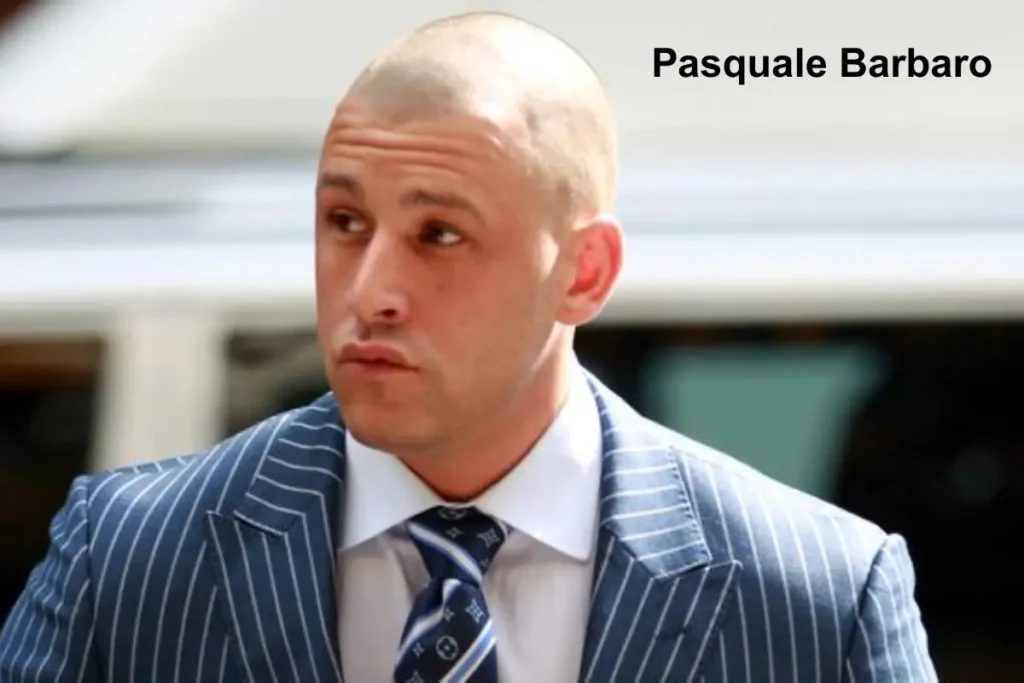
Court evidence presented several possible motives rather than one clear explanation. One theory involved a link to the 2013 murder of standover man Joe Antoun, a figure admired by Sultani. Evidence indicated Barbaro allegedly backed out of attempts to kill Antoun twice when a family member answered the door, undermining confidence within his group. Another theory suggested Barbaro may have threatened to kill Sultani, reportedly saying he would “drop my head at my parent’s house,” a remark considered in psychological evidence. There were claims of tension inside the Rebels motorcycle club, suggesting that Sultani’s effort to form a separate crew created hostility and distrust among former associates.
Court Case Investigation and Secret Trials
Court proceedings began in early 2020 but were kept from public view due to suppression orders. These orders remained in place until December 2021, when the information could finally be published. Justice Desmond Fagan presided over the trials and described both Sultani and Munshizada as “serial killers,” a term rarely used in Australian courtrooms. Sultani pleaded guilty to the murders of Pasquale Barbaro in November 2016, Mehmet Yilmaz in September 2016 and Michael Davey in March 2016. Munshizada was found guilty of all three murders by separate juries. Baines was convicted of Barbaro’s murder but acquitted of involvement in the Yilmaz case. Danishyar was found guilty of acting as an accessory before and after the fact in Barbaro’s murder and was also acquitted of charges related to the killing of Yilmaz.
Criminal Communications and Coded Language
The investigation into Barbaro’s murder exposed the way criminal groups now use coded language in digital environments to communicate quickly and secretly. The recovered messages showed coded nicknames, shorthand expressions and hidden references to locations, people and actions. The language used in the messages was often casual, with words like “brother,” “machine driver” and “love ya” appearing alongside violent statements about death and revenge. By using aliases like “unconfirm,” “bullet.proof,” “screamers,” and “outtacontrol,” the group created a private communication system that attempted to hide identity behind a digital persona. This coded structure created distance between words and real names, a tactic designed to reduce risk if messages were ever intercepted.
The Shift in Police Strategy Toward Digital Forensics
The Barbaro case demonstrated the growing importance of digital forensics in criminal investigations. Traditional police strategies relied on witness statements, physical evidence and recorded surveillance, but encrypted communication changed how crimes were planned and hidden. Investigators needed to understand server access, encrypted messaging software and international data jurisdiction. The decision to travel to Canada and obtain archived data from BlackBerry servers marked a turning point in Australian policing. The case showed that retrieving digital data years after a killing can be more effective than collecting physical evidence immediately after the event. It also reinforced that modern organised crime cannot be investigated without digital expertise and cross-border cooperation.
Sentencing, Aftermath and Underworld Impact
With sentencing concluded, the Barbaro case stands as a defining example of modern Australian gangland violence. The convictions revealed how new technologies and encrypted communications intersect with old motives such as revenge, betrayal and power inside bikie groups. The use of hidden email chains, coded language and encrypted devices became evidence that ultimately led to convictions. The aftermath of the trial raised awareness among police, criminal groups and the public about the risks of digital secrecy. Although designed to shield criminal activity, encrypted messaging presented the same level of vulnerability once archived data could be recovered across international borders.
Conclusion
The murder of Pasquale Barbaro began with a short burst of gunfire in a suburban street and developed into a long investigation involving secret trials, encrypted data recovery and cross-border intelligence. What appeared to be a simple gangland execution exposed psychological tensions, coded message systems, digital surveillance and interpersonal rivalries. The case showed how quickly violence in Sydney’s criminal landscape can escalate and how police now uncover truth in the hidden layers of digital communication. Years after the murder, the impact of encrypted messaging in criminal investigations continues to influence how law enforcement approaches organised crime in Australia.
FAQs
Was Pasquale Barbaro gunned down?
Yes. Pasquale “Pasq” Barbaro was gunned down on 14 November 2016 in Earlwood, Sydney. He was shot multiple times, first while sitting in his Mercedes and then again after attempting to run from the vehicle.
How old was Pasquale Barbaro?
Pasquale Barbaro was 35 years old at the time of his death.
Was Pasquale Barbaro an informant?
There were rumours within criminal circles that Barbaro may have spoken to authorities or backed out of planned underworld activities, but these claims were never proven in court. Publicly available evidence does not confirm that he was an informant.
Who is Joe Barbaro based on?
The name “Barbaro” has been linked to several real individuals connected to organised crime in Australia, including Pasquale Barbaro and other family members. Joe Barbaro is sometimes used as a fictionalised name in books and media, but real-life Barbaros were involved in criminal activity over several decades.
Did the billionaire Apotex die?
Barry Sherman, the billionaire founder of the pharmaceutical company Apotex, was found dead with his wife in Toronto in December 2017. Their deaths were investigated as suspicious, though they are not connected to the Barbaro case.
How much did Barbaro win?
There is no verified public record showing Barbaro winning any substantial legal payout or financial windfall. Most information surrounding his finances relates to alleged criminal earnings and debts rather than winnings.
Which Korean gangster gave the umbrella to the girl?
This question refers to a popular online story and viral media reference unrelated to Pasquale Barbaro. It does not form part of the Barbaro investigation or Sydney underworld events.
Is The Gangster, the Cop, the Devil a true story?
The Gangster, the Cop, the Devil is a South Korean crime film released in 2019. It is loosely inspired by a real case involving a serial attacker, but it has no connection to Pasquale Barbaro or the Sydney gangland investigations.