
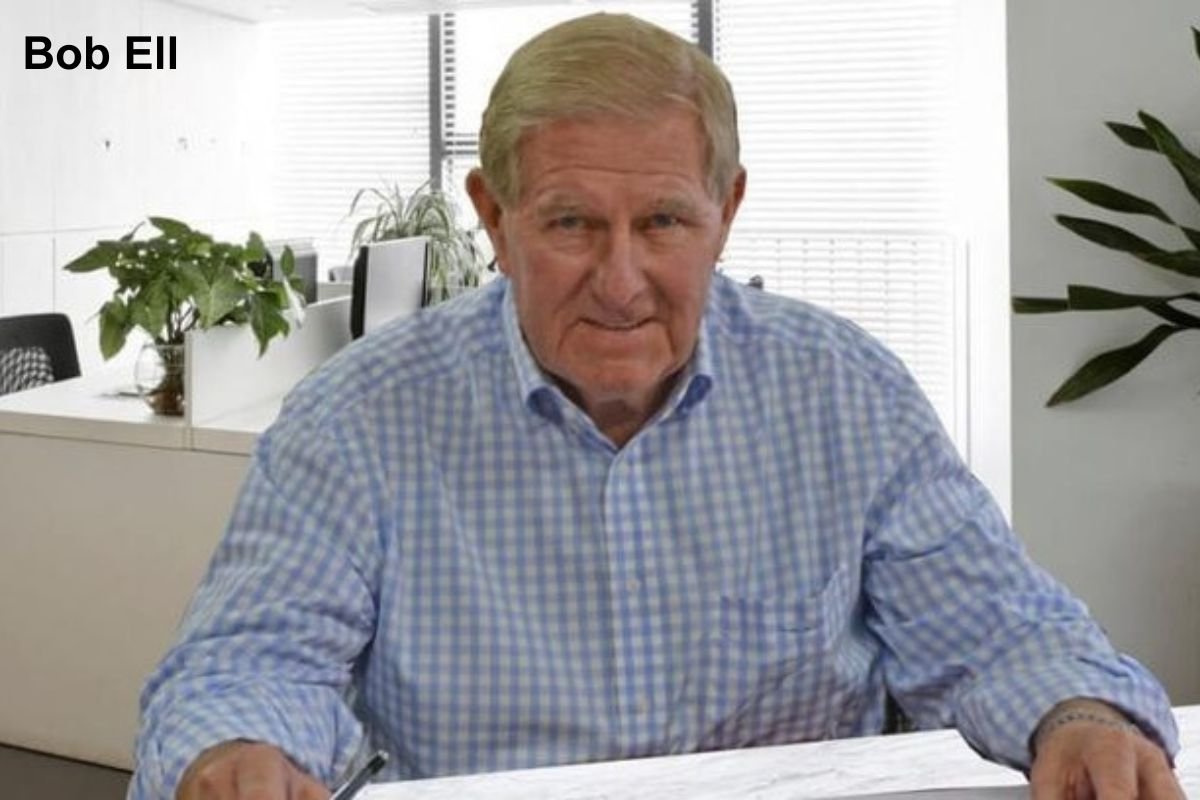
Bob Ell is one of Australia’s most prominent private property developers, known for turning long-term land holdings into major residential, industrial and commercial outcomes through his company Leda Holdings. Unlike well-known business figures who pursue publicity, Ell has never relied on interviews or media appearances to build influence. Instead, he worked behind the scenes on land decisions that now shape the growth of cities and transport corridors across Queensland, northern New South Wales and Sydney. Forbes lists Ell with a real-time net worth of 1.9 billion dollars as of December 2025, placing him 2052 on the global wealth index and number 36 on the ranking of Australia’s 50 richest people.
Early Life & Entry into Real Estate
Bob Ell was born around 1955 in Merriwa, New South Wales. Information about his parents, siblings or early education remains limited due to Ell’s private nature, but available details suggest he began his working life as a carpenter. This practical background allowed him to understand building processes directly from the ground level, including materials handling, construction planning and cost control. In the 1970s, he entered Sydney commercial and industrial property work, often dealing with approval processes, industrial leasing arrangements, zoning decisions and long-stage development timelines. This early experience shaped a strategic approach that would eventually define his development style through Leda Holdings.
Childhood, Parents, Siblings and Early Education
Public records do not provide details about Bob Ell’s parents, early schooling, siblings or upbringing. This absence reflects his long-standing preference for privacy and limited personal media engagement. Ell is known for keeping his family history out of public discussion, focusing instead on business dealings and land development outcomes rather than personal story.
Personal Interests and Passion for Development
Ell’s personal interests appear closely connected to coastal living, marine travel and long-term land investment. His previous ownership of a high-value catamaran named Leda suggests an interest in boating and time on the water, especially around Queensland and New South Wales coastal regions. His passion for land strategy is evident in decades spent acquiring large parcels, studying location potential and directing multi-stage planning projects rather than pursuing publicity or short-term real estate gains.
Struggle and Challenges in Development
Ell’s success in property came with stages of delay, public resistance and legal complications. Large projects such as Cobaki and Kings Forest required years of approval processes, environmental studies, council negotiations and infrastructure planning. Development timing across multiple districts involved working through periods of slower market conditions and planning opposition from local groups. Ell’s approach involved patience, endurance and consistent negotiation through planning systems rather than expecting rapid outcomes.
Legal Controversies and Media “Scandal” Framing
Media attention around Ell’s career has often focused on controversy associated with dispute and planning matters rather than personal lifestyle. He became publicly connected to businessman Michael McGurk after acting as his bail surety in 2009, which later attracted media commentary after McGurk’s murder. Ell was never charged with wrongdoing, but the connection placed him at the centre of national headlines at the time. Environmental groups and local councillors also questioned land clearing practices linked to Leda Holdings projects. Ell addressed these claims through formal legal pathways, winning damages in a defamation case and receiving a parliamentary right of reply to counter statements made about his development activities.
These issues are commonly referred to as “scandals” in news reporting even though they did not result in criminal conviction against Ell.
Love Life and Relationship Information
Public media sources provide minimal detail about Ell’s personal relationships outside his marriage to Bridget Ell, who works as a director at Leda Holdings. Ell previously had a long-term partnership resulting in children, but very little else is publicly documented. Unlike figures frequently covered in entertainment media, Ell keeps his family life and relationship background away from interviews, press conferences or social media attention. Information on dating history, relationship timeline or personal milestones is not widely available.
Establishing Leda Holdings and Private Business Strategy
Ell founded Leda Holdings in 1976 and initially focused on smaller commercial projects around Sydney. The company began its expansion into more complex land transactions over time. Leda was briefly listed on the Australian Securities Exchange but Ell took the company private again in 1990. Private ownership gave him the freedom to operate without reporting requirements, shareholder demands or frequent market disclosure. That structural decision remains one of the most important elements in his success because it allowed long-term property planning rather than short-term reaction to financial cycles. Leda Holdings has completed more than three billion dollars in property development over its operational history across multiple states and property sectors.
Retail Centres, Commercial Holdings and Regular Income Streams
One of the overlooked parts of Ell’s business profile is his retail portfolio. Leda Holdings owns three shopping malls in Queensland and one in Canberra. These shopping centres function as ongoing commercial income generators through leasing agreements and occupancy contracts, separate from long-term planning and housing development phases. Retail ownership supports revenue stability, particularly during years when residential development activity slows or land approvals take longer than expected. Ell’s diversified portfolio helps support business continuity over long periods.
Kings Forest – One of Australia’s Major Coastal Housing Acquisitions
The Kings Forest acquisition and eventual sale remains one of Ell’s best-known property achievements. Kings Forest covers 869 hectares of land near Kingscliff in northern New South Wales, located along a significant growth corridor between southern Queensland and northern New South Wales coastal migration routes. The project received approval for around 4500 homes with the capacity to support over eleven thousand residents once completed. The plan includes schools, recreational zones, community parks, health and retail facilities and the planting of more than seventy thousand trees.
Ell bought King Forest in 2003 for around twenty million dollars from Japanese owners who had paid around twenty-two million dollars in the early 1990s during a period of heavy foreign interest in Australian land. Two decades later, in 2025, Ell sold the Kings Forest development to Stockland for six hundred and twenty million dollars. The sale strengthened Stockland’s national position because Kings Forest joined a portfolio that already included nearly ninety-six thousand lots across Australia. The Kings Forest deal highlights Ell’s approach to land acquisition, long-term holding and negotiating during peak demand cycles with major development companies.
Industrial Land Strategy and Sydney Northern Business Zones
Bob Ell remains active in industrial development. He purchased an industrial parcel covering nine thousand seven hundred and sixty-two square metres at 22 Clearview Place in Brookvale for nineteen point six million dollars. The site sits close to Warringah Mall and connects to Pittwater Road, one of the busiest commercial routes in northern Sydney. Ell acknowledged the rarity of large land holdings in that district and confirmed a plan to lodge an application to divide the land into two lots. The property already produces nearly one million dollars each year in rental returns.
Leda Holdings is also behind major industrial construction projects in northern Sydney, including a fifty million dollar showroom and warehouse site at 2 Cross Street in Brookvale and an eighty million dollar business unit complex on Rodborough Road in Frenchs Forest. That development includes over eight thousand square metres of saleable space and combines commercial design with industrial storage functionality. Industrial assets have become important to Leda’s long-term finance due to rising demand from logistics services, delivery firms, small business distribution centres and trade supply operators.
Queensland Residential Projects and Regional Development Growth
Bob Ell’s property strategy extends beyond Sydney into major Queensland growth areas. Coomera Woods is positioned north of Surfers Paradise and remains a significant project with a development request for nearly five thousand lots. In Ipswich, Leda is seeking approval to develop around one thousand four hundred and seventy-seven homes. A third major community, Cobaki, is located near Gold Coast Airport and preparing for more than five thousand five hundred dwellings, providing living space for around fifteen thousand residents. These communities represent long-term planning efforts designed to support regional population movement and infrastructure connections over many years.
Financial Results, Profit Trends and Private Stability
Leda Holdings continues to produce profit through its mix of rental income, sale settlements and development agreements. The company reported a net profit of eighty-six point eight million dollars in one financial year and one hundred and fifty-one million dollars in the previous year. While the difference reflects the timing of project completion and land sales, Leda’s position as a privately owned business keeps operations stable and relatively unaffected by market fluctuations. By remaining privately controlled, Ell avoids quarterly market reporting requirements and external pressure to modify strategy for temporary financial performance.
Wife, Family, Children and Business Succession
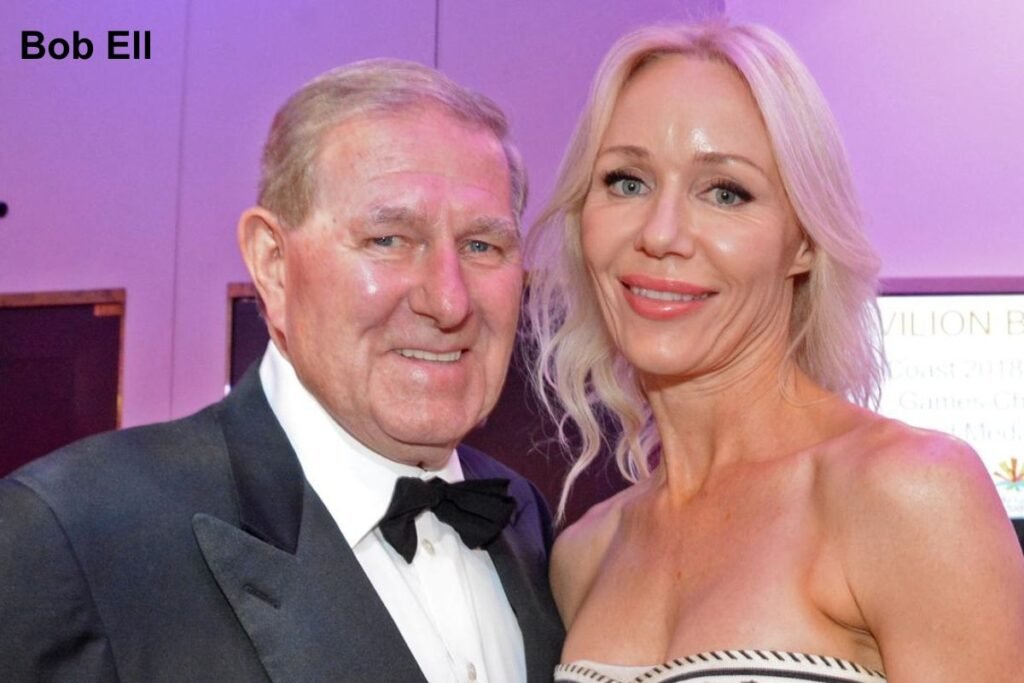
Bob Ell is married to Bridget Ell, who works as a director of Leda Holdings and has an active role in strategic corporate planning. Ell has seven children from his current and previous marriage. His son Robert has worked with Leda Holdings in matters involving development and operational support. Two of Ell’s children are studying property economics at Queensland University of Technology as an active step toward leadership involvement in the business. Ell’s younger children remain in school but are expected to continue in the real estate field. The family vision creates continuity for Leda’s operations, maintaining long-term stability and preserving ownership within the Ell family.
Lifestyle, Coastal Living and Low Public Visibility
Bob Ell lives in Surfers Paradise but also owns properties in Sydney and Noosa. He is known for maintaining a quiet coastal lifestyle away from celebrity focus and social presence. Ell previously owned a high-value catamaran named Leda, with an estimated value of around fifteen million dollars. That purchase reflects his interest in coastal travel and marine leisure, though Ell is far more private than many high-net-worth individuals who display wealth publicly. Instead, his life appears structured around land decisions, local governance meetings, business travel and planning negotiations.
Bob Ell Net Worth and Forbes Ranking
Bob Ell is consistently listed as one of Australia’s wealthiest private property figures. Forbes places his real-time net worth at $1.9 billion as of December 2025, making him a recognised billionaire in global real estate. He ranks #2052 on the global billionaire list and #36 on Australia’s 50 richest people. Ell’s wealth comes entirely from self-directed property investment rather than inheritance or corporate takeover. He is classified by Forbes as “Self Made”, highlighting his rise from carpentry and Sydney industrial land work to large residential estates and commercial holdings across multiple states.
Unlike public company owners who disclose quarterly financial updates, Ell’s wealth is measured primarily through land valuations, project approvals, profit statements and private company records. Leda Holdings posted $151 million in profit in one recent financial year, followed by $86.8 million the year after, reflecting typical timing shifts rather than business decline. His company assets include shopping centres, industrial land, approved housing estates and long-term development pipelines in Queensland, New South Wales and metropolitan Sydney.
Ell’s approach to wealth building has remained steady across decades, relying on early land identification, multi-stage development strategies and staged transactions such as the $620 million sale of Kings Forest to Stockland. These transactions form the core of his billionaire status and continue to shape property growth along the eastern Australian corridor.
Legal Disputes and Public Planning Issues
Major development always brings public interest, disagreement and conflict, and Bob Ell has faced several disputes connected to land projects. There have been public claims relating to vegetation removal at development sites, and Ell responded through formal legal channels to defend his company’s practices. He won damages in a defamation case and later exercised a parliamentary right of reply to answer political statements made about him and Leda Holdings. Ell also became associated with public attention after he acted as bail surety for businessman Michael McGurk in 2009. McGurk later became the subject of a high-profile case, but Ell was not charged with any wrongdoing.
These situations show how land development intersects with council decisions, environmental regulations and government communication. Ell continues to manage disputes through legal frameworks rather than relying on celebrity-style public statements.
Final Overview of Bob Ell’s Impact on Australian Real Estate
Bob Ell has left a lasting mark on Australian property through long-term land planning and staged development outcomes. His portfolio now includes residential estates, industrial business parks, shopping centres and large land holdings that support future expansion. Ell’s decisions influence where thousands of families find homes, where commercial operators establish operations and how city boundaries change over time. Leda Holdings stands as one of Australia’s notable privately controlled development groups with ongoing projects across multiple zones.
Ell’s business approach avoided attention-based marketing and emphasised strategic land use and planning foresight. While many details of his personal story remain private, Ell’s property activities have shaped physical regions and contributed to growth near coastal and metropolitan development areas. With his family already preparing to take on further leadership roles, Leda Holdings appears ready to continue supplying projects across southeast Queensland, northern New South Wales and Sydney industrial locations.
FAQs
Who is Bob Ell’s wife?
Bob Ell is married to Bridget Ell, who serves as a director at Leda Holdings and is actively involved in the company’s planning and strategic business decisions.
What is Bob Ell’s net worth?
Bob Ell has a real-time net worth estimated at $1.9 billion according to recent Forbes data, ranking him among Australia’s wealthiest property developers.
Did Bob Ell really own a boat?
Yes, Bob Ell owned a luxury catamaran named Leda, which was valued at around $15 million and reflected his interest in coastal living and boating.
What was Bob Ell’s role in the Kings Forest development?
Bob Ell originally purchased Kings Forest near Kingscliff in 2003 and later sold the approved residential project to Stockland for $620 million, making it one of the largest land deals in northern New South Wales.
How many children does Bob Ell have?
Bob Ell has seven children from his current marriage and a previous relationship, with several of them now studying or working in property-related fields.
Is Bob Ell’s family involved in his business?
Yes, Leda Holdings is a family-led operation. His wife, Bridget, and his children participate in business planning, with two children studying property economics and preparing for future leadership roles.
What is Bob Ell’s connection to Leda Holdings?
Bob Ell founded Leda Holdings in 1976 and remains its executive chairman. The company manages commercial shopping centres, industrial assets and major residential land developments across Australia.
Does Bob Ell have a son working in the company?
Yes, his son Robert Ell has worked in Leda Holdings supporting development operations and helping manage land transactions and business activities.