
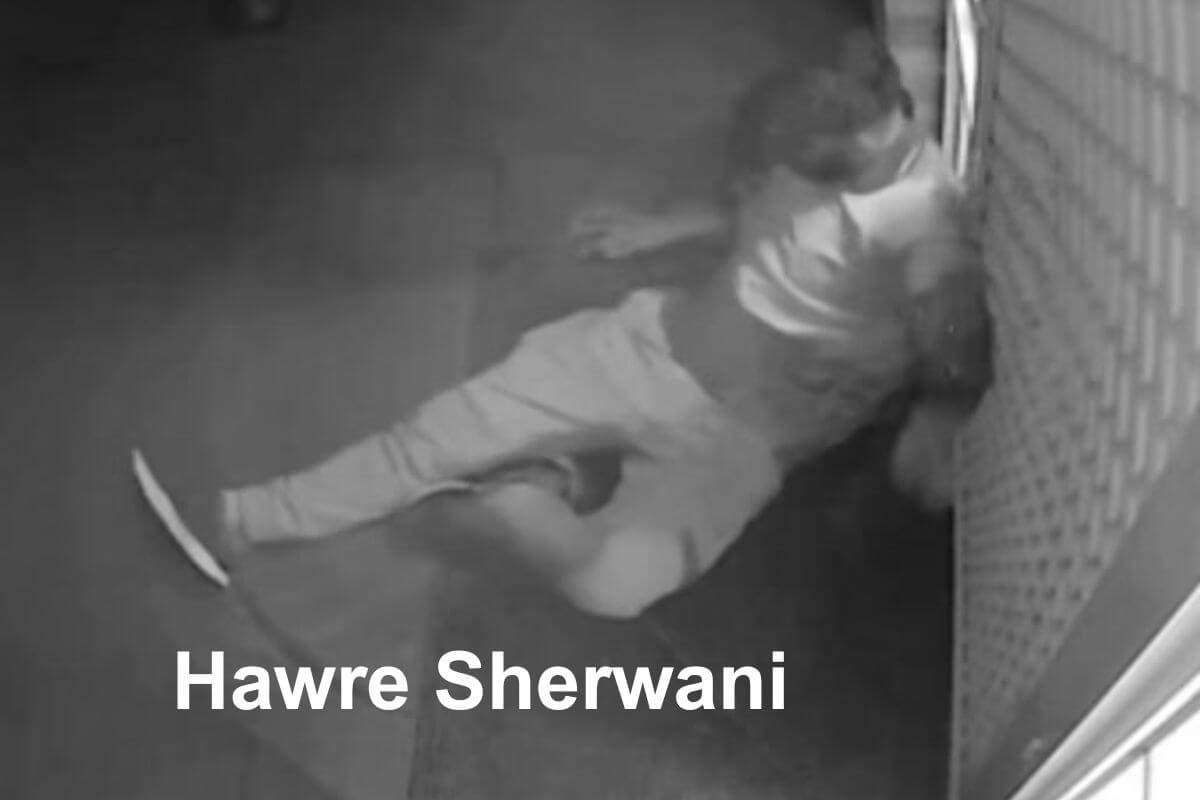
The execution of Melbourne underworld figure Hawre Sherwani on a suburban street in Caroline Springs has become one of the most significant ongoing police investigations in Victoria. At 33 years old, Sherwani had already survived years of violent encounters, firebombings, car ram raids, arson attacks and gunfire. His death was not a surprise to those familiar with his name. It was the final act in what detectives now recognise as a long-running and carefully coordinated series of disputes tied to the illicit tobacco economy operating across Melbourne’s north-west. The gunfire that ended his life came suddenly to a residential street, but the planning behind it may have taken months.
The Late-Night Attack on Heysen Parkway
Just after 10.30pm on Thursday, 9 January 2025, neighbours heard multiple bursts of gunfire on Heysen Parkway in Caroline Springs. CCTV from several houses captured a dark-coloured vehicle following Sherwani’s white Volkswagen Golf. Residents described hearing a siren, though no police cars were in the area. Police later confirmed that the attackers had fitted the vehicle with fake police lights and a “convincing siren” to impersonate an unmarked police car.
One neighbour described the scene clearly on camera. “We heard at least six shots, maybe more, then someone shouting,” he said. Moments later, Sherwani appeared at a nearby house, banging on the door. Resident James Fernando told reporters, “We were just talking to him, ‘What’s your name, keep your eyes open.’ His eyes were closing, in and out, so we were trying to keep him awake. Our focus was just to help him out until police and the ambulance came.”
Sherwani was rushed to hospital with upper-body injuries but died shortly afterwards. Victoria Police later stated that he was “the target of a very focused hit.” He had not been shot randomly or accidentally. He was followed, stopped and deliberately executed.
Gunfire, Stray Bullets and Forensic Chaos
When homicide detectives and forensic teams began their investigation, the scale of gunfire was immediately obvious. Sherwani’s VW Golf was covered in bullet holes. A firearm belonging to him lay on the road beside the car. Dozens of spent shell casings were scattered across the street, on driveways and near garden beds. Later, police found a second-storey window shattered by a bullet that passed straight through a bedroom wall and lodged in the mattress of a 15-year-old boy. The teenager had walked out of the room seconds earlier.
Detective Superintendent Janet Stevenson described the situation plainly. “This was brazen, irresponsible and very targeted. There could have been people walking, kids awake in their bedrooms. It is extremely concerning.” Police know that many residents were still active in their homes at 10.30pm. Lights were on, televisions were playing and families were preparing for bed.
One forensic officer was seen removing evidence bags marked with location tags, while others searched a trailer parked outside a nearby house. Police collected fragments and fibres, hoping for DNA or fingerprints, even though many rounds were fired from a close distance and ricocheted into fences, walls and rooftops.
Fake Police Siren and a Burnt Stolen Tiguan
Within fifteen minutes of the attack, another call came in to police about a vehicle fire in Fraser Rise. At 10.45pm, emergency crews located a dark-coloured Volkswagen Tiguan burning on Beattie Road. Investigators believe this was the getaway vehicle used by the hit team. They later confirmed that it had been stolen months earlier from Clyde, a detail that indicates planning rather than improvised violence.
Using a stolen vehicle, impersonating police with fake lights and sirens, firing rounds in a controlled pattern and burning the car minutes later are all signs of an organised professional hit, not a street argument or spontaneous shooting. Police sources say the attackers “had done their homework,” studying Sherwani’s movements and possibly checking CCTV blind spots in the street ahead of time.
Detectives believe at least one of the shooters may have been injured during the escape. Superintendent Stevenson said, “It could be quite serious injuries,” and urged local hospitals, emergency departments, general practitioners and clinics to report anyone who presented with unexplained wounds that night or in the early hours of the next morning.
Who Was Hawre Sherwani? (AKA “Harry the Commo”)
Sherwani was well known to police long before the night he was killed. In 2008, he faced charges of robbery, unlawful assembly and failure to answer bail. In 2014, he assaulted a smash repairs manager, causing serious injury, and in 2016 he was jailed after pleading guilty to “recklessly causing serious injury.” Police later investigated him for possession of anabolic steroids, firearms offences and standover tactics linked to extortion-style threats.
He was known in the underworld by the nickname “Harry the Common,” a name that circulated among figures involved in illegal debt collection, business intimidation and disputes over territory. In the past two years, Sherwani had survived several targeted attacks. In July 2023, a vehicle rammed him on the Western Freeway, and he was threatened by a man holding a hammer. In March 2024, shots were fired at him on the streets of Fraser Rise. His home and his business were firebombed multiple times.
Detectives said that Sherwani “had long had a target on his back.” He was not a casual figure on the fringes of crime. He was directly linked with criminal networks that use violence as a negotiating tool.
The Illicit Tobacco War and Organised Crime Economy
The reason for the violence is tied to one of Victoria’s fastest-growing underground economies: illicit tobacco. Illegal cigarette distribution, chop-chop tobacco storage, and unregulated vaping products have become central to criminal operations. Unlike illicit drug networks, which require complex manufacturing or smuggling, tobacco can be stored in garages, sold from shop fronts, and supplied from ordinary rental properties.
In recent months, police have raided convenience stores, storage units and private houses believed to be holding tobacco stock linked to criminal networks. They have seized hundreds of thousands of illicit cigarettes, large bags of chop-chop tobacco and imported vape products. Detectives believe some of these operations are financed by overseas figures, making policing difficult when orders and instructions cross borders.
Sherwani had ties to individuals involved in this tobacco war. His associate, Robert Issa, was executed in a Craigieburn car park in 2023 in a separate gangland shooting, also believed to be tied to tobacco distribution disputes. Multiple arrests were made in Issa’s case, but investigators say they are still searching for the individuals “further up the chain” who ordered the hit.
Pattern Recognition, Surveillance and Organised Crime Investigation
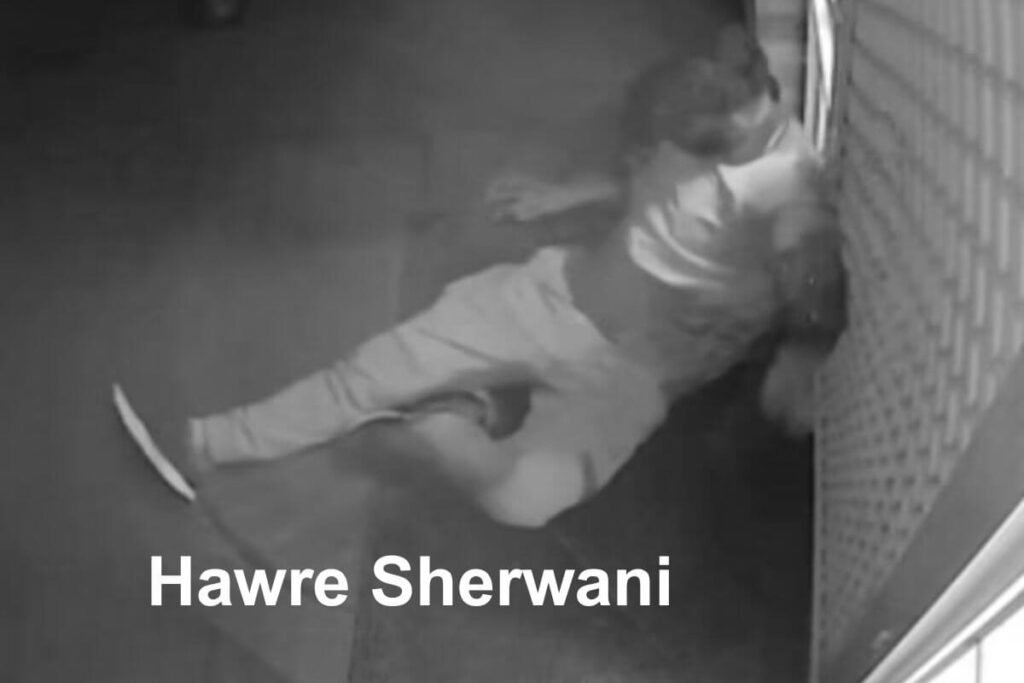
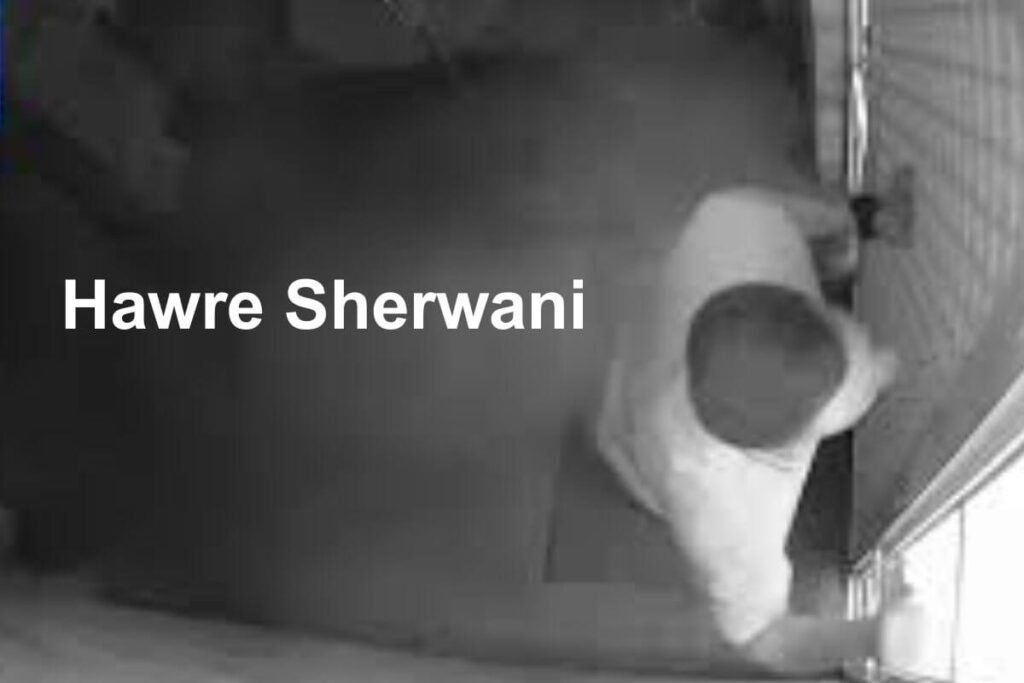
Police working the Sherwani case are not investigating a single shooting. They are comparing it against a long record of related arson, intimidation and violent assault incidents stretching back over two years. They analyse stolen vehicle reports, identical fire accelerant patterns, repeated arson methods and similar disposal locations where vehicles are set alight.
Digital investigation is also crucial. Detectives review mobile tower pings, encrypted messaging traffic, and track burner SIM cards used by criminals. CCTV collections from residents are now essential evidence. Police have specifically requested dash-cam footage from 10pm to 11pm on the night of the attack, covering the Caroline Springs to Fraser Rise corridor. They believe crucial moments of movement may have been recorded by motorists without them realising its significance.
Several neighbours reported seeing unfamiliar vehicles slowly passing through the area on nights before the shooting. They did not initially see cause for alarm, but investigators now consider this possible reconnaissance by the hit team.
Community Reaction and Security Concerns
The shock of the stray bullet passing through a teenager’s mattress remains one of the most disturbing parts of this case. Families in Caroline Springs are now installing home camera systems, additional sensor lighting and front-facing video doorbells. Neighbourhood watch groups have formed informal reporting chains in private messaging apps. Parents talk openly about re-evaluating bedroom window positions and checking entry points around their homes.
Police have emphasised that ordinary residents were not the target of the attack. However, Detective Stevenson acknowledged the severity of the broader threat, stating, “There could have been people walking. There are still people being active in their homes at that time.” That admission made clear that suburban safety can no longer be separated from gangland disputes when criminals take violence into residential streets.
A Critical Turning Point in Melbourne’s Gangland Violence
The Sherwani murder marks a shift in how organised crime is understood in Melbourne. Violence once tied to traditional bikie disputes or drug trafficking has now moved into suburban streets because illicit tobacco conflicts involve small shops, storage garages and rental properties rather than hidden clubhouses or industrial warehouses. The hit demonstrated a level of planning associated with contract assassinations: stolen vehicles fitted with fake police equipment, calculated ambush timing, rapid execution, destruction of evidence and the possibility of orders coming from unseen organisers possibly based overseas.
For police, this case is not merely about identifying the shooters. It is about understanding a network of financial positioning, regional supply chain control, territorial threats and back-channel agreements between criminal factions. The investigation continues to uncover how turf control, retail intimidation and illegal tobacco have merged into one violent underground economy.
Where the Investigation Stands
Detectives are still waiting for results from forensic labs. Ballistic experts are examining whether the weapon used matches casings recovered from previous gangland shootings. Officers are reviewing hospital reports, GP enquiries and clinic intake records from the nights following the shooting, hoping an injured offender sought help.
Police believe arrests will depend heavily on public information, especially from cameras recording around Heysen Parkway, Fraser Rise and Beattie Road on the night of the attack. The largest unknown remains identifying the individuals who ordered the hit. Investigators suspect those figures may not be in Australia, making extradition and prosecution difficult.
Victoria Police continue to urge residents with footage, suspicious recollections or information about vehicle movement to contact detectives. With illegal tobacco markets becoming more competitive, more violent incidents may occur if control issues remain unresolved.
For now, the death of Hawre Sherwani symbolises a network of criminal disputes that have escalated beyond backroom deals and into real gunfire in front of family homes. It is a reminder of how quickly suburban life can intersect with calculated underworld violence, and how long an investigation can take when the motives run deeper than any single person involved.
Outlook and Continuing Investigation
The investigation into the killing of Hawre Sherwani remains active, detailed and far from simple. Detectives are now entering the phase of gathering secondary evidence, connecting digital records, verifying forensic reports and determining who ultimately ordered the execution. While the attack took only a few seconds on Heysen Parkway, the inquiry that follows could take months or years. Police know that behind the two gunmen there are likely others involved, possibly including planners, drivers, spotters and organisers. They also believe someone financed the hit, supplied the weapons, arranged the stolen Tiguan and gathered information on Sherwani’s movements.
Forensic Testing and Ballistic Analysis
Forensic laboratories are working through dozens of samples taken from the street, fences and vehicles involved in the event. Ballistic analysts are examining whether the shell casings recovered match weapons used in earlier gangland shootings in Fraser Rise and Craigieburn. Specialists are conducting chemical analysis on the burnt Tiguan to determine what type of accelerant was used and whether combustion traces contain identifiable residues from clothing fibres or chemicals. DNA swabs from recovered fragments could reveal those in direct contact with the stolen car before it was torched.
Digital Evidence, Cameras and Public Assistance
Detectives continue to ask for any CCTV, security footage or dash-cam recordings from 10pm to 11pm on the night of the shooting, especially along the Caroline Springs to Fraser Rise corridor. They have confirmed that several residents have already submitted files, and investigation teams are analysing them frame-by-frame looking for vehicle markings, light signatures, possible number plate fragments and changes in speed or direction. With the hit team having installed fake sirens and police lights, investigators are also studying audio patterns in recordings to determine whether the sound device used is linked to earlier crimes where fake emergency vehicles were reported.
Medical Alerts and Tracking Possible Shooter Injuries
Police intelligence officers believe that at least one of the shooters may have sustained injuries during the escape, possibly from a crash, recoil shock or misfired bullet. Authorities have contacted hospitals, urgent care clinics and local GPs, urging them to report patients with unexplained wounds from the night of the attack or the days that followed. This method has been used in previous gangland investigations and, at times, has led to breakthroughs when medical personnel recognise bullet-related injuries disguised as accidents.
Monitoring Criminal Networks and Retaliation Risks
As part of their continuing inquiries, detectives are monitoring associates of Sherwani and past targets in the illicit tobacco network. They are concerned about the likelihood of retaliation attacks. Superintendent Janet Stevenson stated that the risk of follow-on violence is “very real,” given long-term conflicts in Victoria’s illegal tobacco distribution market. Officers are also working closely with taskforces investigating related cases, including the 2023 execution of Robert Issa and a series of arson attacks against businesses suspected of storing illicit tobacco. Investigators have suggested the same individuals behind those crimes may have played a role in the Sherwani murder.
Overseas Links and Hidden Organisers
Police suspect that the origins of the hit may have involved figures not currently in Australia. Some criminal organisers tied to the tobacco trade have been identified in previous reports as operating from overseas locations, giving orders remotely and moving funds through hidden channels. Detectives are cooperating with national crime agencies and international partners to determine whether similar operating patterns appear in this case.
Public Safety, Community Vigilance and Local Measures
Public safety remains a central focus. Officers are increasing presence in Caroline Springs, Fraser Rise and nearby areas, particularly at night. Residents have already installed additional security cameras and lighting systems since the shooting, and information sharing among neighbours has improved. Police say members of the community have been “alert and proactive” but encourage caution, especially if anyone notices unfamiliar vehicles lingering in side streets or cul-de-sacs late at night.
Identifying the Command Chain Behind the Hit
The most significant unknown remains identifying who ordered the killing. Detectives believe the gunmen who carried out the shooting performed a professional role in a larger criminal structure. Tracing that command chain will likely require a combination of forensic data, eyewitness accounts, anonymous tips and digital communication records. If an arrest is made, prosecutors will need to establish not just who fired the shots, but whether they were directed by someone further up the illicit tobacco hierarchy. In earlier investigations, police have offered financial rewards to identify individuals suspected of ordering hits. It is not yet known whether a similar reward will be announced in the Sherwani case, but investigators have not ruled it out.
Ongoing Police Efforts and Next Steps
Victoria Police continue to stress that the investigation will remain active as new evidence emerges. No arrests have been made, but detectives say they are confident progress will continue as forensic results return and more community members come forward with information. The Caroline Springs murder is no longer viewed only as a single violent incident; it has become part of a wider investigative campaign into an organised crime system that has embedded itself in Melbourne’s suburbs and used violence to shape illegal business networks. Police say the case is not closed and will likely expand as they uncover more connections between the events leading up to Sherwani’s death and the illicit tobacco disputes operating behind the scenes.
Timeline of Events — Hawre Sherwani Murder and Related Underworld Activity
2008 – Early Criminal History
- Sherwani faces charges for robbery, unlawful assembly and failure to answer bail.
2014 – Violent Assault
- Attacks a smash-repairs manager in Melbourne.
- Charged with “recklessly causing serious injury.”
2016 – Jail Term
- Sentenced for the 2014 assault.
- Serves time in prison.
2014 – 2020 (Various Investigations)
- Investigated for anabolic steroid possession.
- Linked to firearms offences and standover tactics in extortion-style disputes.
2023 – Vehicle Attack
- Mid-2023, Sherwani’s car rammed on Western Freeway.
- Threatened by an armed offender holding a hammer.
2023 – Underworld Associate Murdered
- October 2023, Robert Issa (Sherwani associate) executed in Craigieburn car park.
- Police believe murder is linked to illicit tobacco disputes.
2023 – Firebomb Attacks
- Sherwani’s business was targeted in a firebombing incident.
- His home was attacked with incendiary devices multiple times.
2024 – Targeted Shooting
- March 2024, shots fired at Sherwani in Fraser Rise.
- Police confirm an ongoing campaign against him.
Mid–Late 2024 – Stolen Getaway Vehicle
- A Volkswagen Tiguan stolen from Clyde (months before the murder).
- Investigators believe the vehicle was prepared for the hit.
9 January 2025 — NIGHT OF THE SHOOTING
10:30pm – Attack Begins
- CCTV shows a dark-coloured vehicle chasing Sherwani’s VW Golf on Heysen Parkway, Caroline Springs.
- Fake police siren and lights activated by the hit team.
Gunfire
- Multiple bursts of gunfire heard by residents.
- Sherwani shot in the upper body near his vehicle.
Injured and Seeking Help
- Sherwani runs to a nearby house and knocks on the front door.
- Neighbour James Fernando attempts to keep him conscious.
- Ambulance arrives; Sherwani transported to hospital.
Stray Bullet
- Bullet travels through a second-storey window, into the teenager’s mattress.
- 15-year-old narrowly escapes injury.
10:45pm – Getaway Car Torched
- Dark Volkswagen Tiguan found burning on Beattie Road, Fraser Rise.
- Vehicle completely destroyed by fire.
10 January 2025 INITIAL POLICE INVESTIGATION
Scene Sealed
- Street blocked off; forensic detectives examine the crime scene.
- Dozens of bullet casings recovered, firearms found on the road.
Trailer Examination
- Forensic officers inspect a trailer outside a nearby home, collecting evidence bags.
Public Appeal
- Police ask residents for CCTV and dash-cam footage between 10pm and 11pm.
Medical Alert
- Police urge hospitals and general practitioners to report suspicious wounds.
- Believe at least one offender injured in escape.
Detective Quote
- Superintendent Janet Stevenson:
“Brazen, irresponsible and very targeted.”
Following Days – Ongoing Developments
Digital Investigation
- Police review mobile tower data, encrypted messages, and vehicle movement patterns.
Neighbour Reports
- Residents report suspicious vehicles in previous nights.
- Indicates potential reconnaissance before attack.
Organised Crime Angle
- Police confirm Sherwani is linked to illicit tobacco networks and organised crime.
- Point to history of firebombings and shootings tied to the same groups.
Wider Underworld Context (2023–2025)
Illicit Tobacco War
- Dozens of arson attacks on tobacco retailers across Melbourne.
- Multiple investigations targeting import and distribution networks.
Issa Case Connections
- Police continue to pursue leads in Issa’s 2023 execution.
- Believe the same groups operating in Sherwani case.
Possible Overseas Organisers
- Police suspect some identities funding or ordering attacks may be overseas.
Current Status (Most Recent Known Information)
Forensics Ongoing
- Ballistic analysis examining shell casings and firearms.
- Burnt Tiguan under chemical examination for DNA and accelerant traces.
Police Concerns
- Fear of retaliatory attacks following Sherwani’s murder.
- Increased patrols in Caroline Springs, Fraser Rise and Craigieburn.
Public Safety
- Residents installing security cameras and lighting systems.
- Heightened community awareness and neighbourhood watch activity.
No Arrests Made (as of last reporting)
- Shooters remain unidentified and at large.
- Taskforce monitoring associates and rival gangs.
Conclusion
The murder of Hawre Sherwani has become a defining moment in the shifting landscape of organised crime in Melbourne. What unfolded on a suburban street in Caroline Springs was not an isolated burst of violence but the culmination of a long-running dispute tied to the illicit tobacco market and the control of hidden profits. The professional nature of the hit, from the use of a stolen vehicle with fake police lights to the rapid destruction of evidence, shows how calculated and efficient modern gangland operations have become.
For residents, the shooting shattered assumptions about safety in quiet neighbourhoods and highlighted the risk posed by conflicts happening out of public view. Police remain committed to uncovering the identities of those behind the attack, but their work will likely extend far beyond identifying the shooters. Understanding who financed the hit, who supplied information on Sherwani’s movements and who stands to benefit from his death will be essential in dismantling the networks involved.
As forensic results return and detectives continue collecting information from the community, this case has already exposed a deeper story one involving power, territory, illegal trade and violence that does not stop at the boundaries of suburbia. The investigation may take months or years, but it will continue to shape how Melbourne understands organised crime, how law enforcement responds to emerging threats and how neighbourhoods respond to rapidly evolving criminal disputes. For now, the Sherwani case stands as both a warning and a turning point, revealing the hidden structures of an underworld prepared to strike in the most unexpected places.
FAQs
Why was Hawre Sherwani believed to be a target for organised crime?
Sherwani had a long history of clashes linked to illicit tobacco disputes and previous attacks involving firebombings, shootings and extortion claims, making him a repeated target in Melbourne’s underworld.
Did police recover any weapons at the Caroline Springs crime scene?
Yes. A firearm believed to belong to Sherwani was found near his car, along with multiple bullet casings that forensic teams are analysing for ballistic matches.
What role did fake police equipment play in the shooting?
Investigators say the attackers used a stolen Volkswagen Tiguan fitted with fake police lights and a siren to mimic an unmarked police vehicle, forcing Sherwani to react before gunfire began.
Are police investigating overseas links in this case?
Detectives suspect individuals outside Australia may have coordinated or financed the hit, and officers are working with national agencies to determine cross-border connections.
Can dash-cam or home CCTV footage still be submitted to police?
Yes. Police are continuing to collect video from the 10pm–11pm timeframe, especially footage showing unfamiliar vehicles near Heysen Parkway or Beattie Road.
Is the Sherwani murder connected to arson attacks in Melbourne?
Authorities are exploring whether recent firebombings at shops suspected of selling illicit tobacco are linked to the same groups behind Sherwani’s killing.
What safety measures have residents taken since the shooting?
Locals have installed new security cameras, exterior lighting and doorbell recording systems, and have increased communication with police through neighbourhood watch groups.
How long could the investigation continue?
Gangland investigations often run for months or years, especially when evidence points to multiple offenders, stolen vehicles, potential international involvement and organised criminal financing.